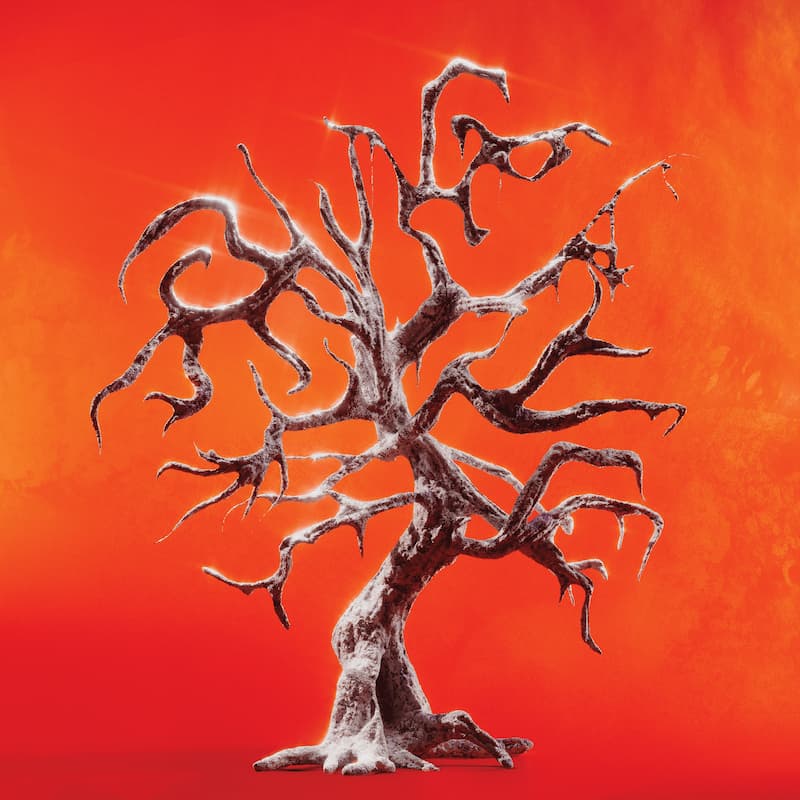
El nuevo álbum, Wasteland (Spinda Records, 2 oct 2026), del cuarteto portugués Travo, llega después de unos años bastante intensos para la banda. Desde que empezaron en Braga en 2016, han publicado otros cuatro discos, han girado extensamente por Europa y han pasado por festivales como Freak Valley, Fumega Fest, Vigo Psych Fest, HeroFest, Reeperbahn, Resurrection Fest y Fuzz Club Festival. También grabaron una sesión para KEXP durante su gira de 2025.
Y todo ese tiempo juntos… girando, tocando y prácticamente viviendo los cuatro dentro de la misma burbuja… se nota en Wasteland. Hay mucho aquí: atmósferas espaciales, angustia post-rock y muchos desarrollos psicodélicos. ¿De dónde sacan estos tíos la energía? Ah, sí. Son jóvenes.
Wasteland (Spinda Records, Oct. 2, 2026) is the newest album from Portuguese four-piece Travo, and it comes after a pretty intense few years for the band. Since starting out in Braga in 2016, they’ve released four previous records, toured extensively around Europe and played festivals including Freak Valley, Fumega Fest, Vigo Psych Fest, HeroFest, Reeperbahn, Resurrection Fest and Fuzz Club Festival. They also recorded a KEXP session while on tour in 2025.
And all of that touring, playing and living in the same four-person bubble seems to have found its way into Wasteland. There’s a lot happening here: spacey, post-rock angst, psych, and a whole lot of crescendos. Where do these guys get the stamina? Oh yeah. They’re young.
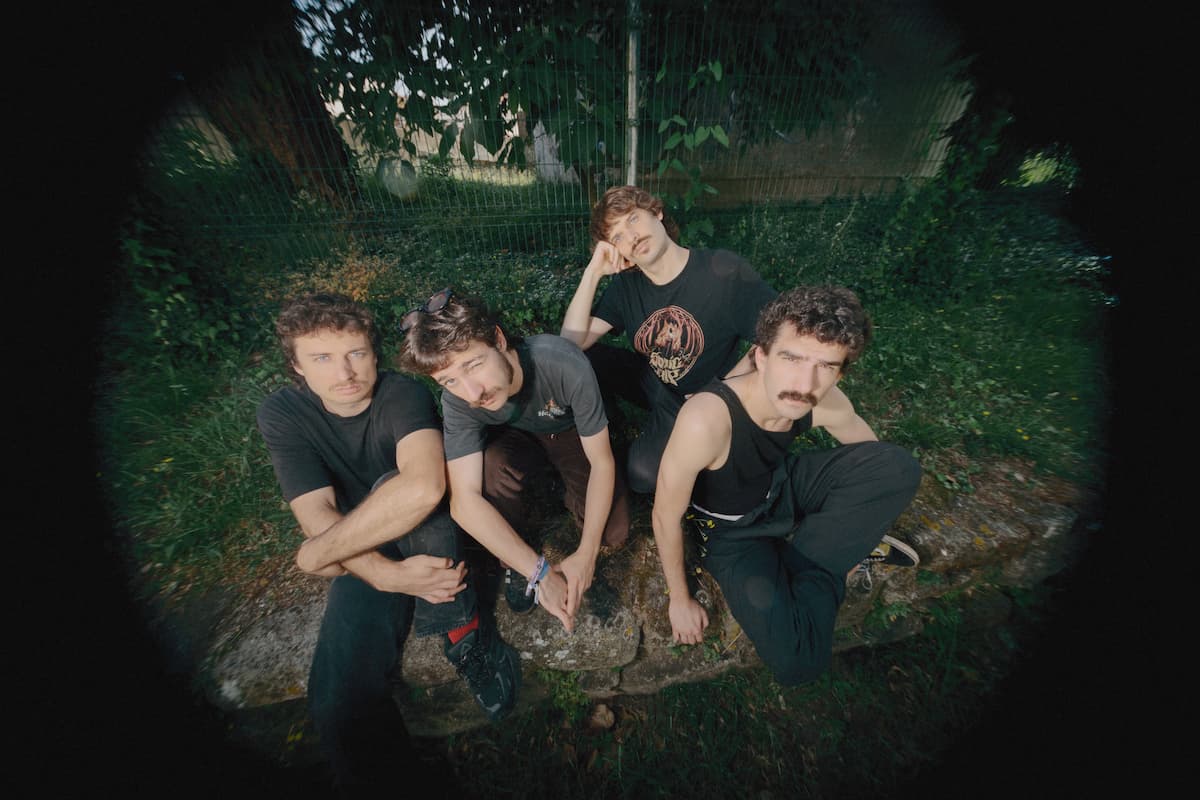
Y quizá esa familiaridad entre los cuatro fuera especialmente útil para un disco que, por lo visto, se compuso muy rápido. David Ferreira, Gonçalo Carneiro, Gonçalo Ferreira y Nuno Gonçalves llegaron al estudio sin las canciones terminadas y con muy poco tiempo para montarlo todo, pero ya sabían cómo trabajar unos con los otros. No todo fue fácil: también hubo fricción interna provocada por la urgencia del proceso de composición, y esa tensión acabó formando parte del disco en lugar de ser algo que intentaran esconder.
No, aquí no verás ninguna de esas notas en plan “este álbum ha sido cuidadosamente elaborado”.
Y lo maravilloso es que puedes sentir esa tensión en Wasteland.
And maybe that familiarity between the four of them was particularly useful for an album that, apparently, came together very quickly. David Ferreira, Gonçalo Carneiro, Gonçalo Ferreira, and Nuno Gonçalves arrived at the studio without the songs fully finished and with very little time to put everything together, but they already knew how to work with one another. It wasn’t all smooth sailing, though: the urgency of the writing process created some internal friction, and rather than trying to hide that tension, they ended up making it part of the record.
No, you’re not going to find any of those “this album was meticulously crafted” notes here.
And the wonderful thing is that you can feel that tension in Wasteland.
¿Dónde lo noto? Principalmente, en el salto sónico desde Astromorph God (Spinda Records, 2023), que estaba construido alrededor de la fantasía y la ciencia ficción, cuando aquí es todo más realista: tecnología, desconexión, ansiedad, distopía emocional, amor, muerte, renacimiento y la búsqueda de algún tipo de espiritualidad colectiva.
Cada uno de los siete temas está relacionado de forma más o menos libre con The Waste Land, de T. S. Eliot. Estudié Literatura en la universidad y no voy a fingir que tengo aquí un análisis de la hostia. Pero sí recuerdo vagamente que el poema es el resultado de lo que ocurre cuando un genio deprimido con un título en clásicas y un caso bastante serio de modernidad básicamente dice: «Ahora voy a reunir todos los fragmentos de la cultura occidental en un poema que te haga sentir como si estuvieras caminando por una ciudad al anochecer, sin saber muy bien adónde vas».
Where do I hear it? Mainly, in the sonic leapfrom Astromorph God (Spinda Records, 2023), which was built around fantasy and science fiction, toreality: technology, disconnection, anxiety, emotional dystopia, love, death, rebirth and the search for some kind of collective spirituality.
Each of the seven tracks is loosely connected to T. S. Eliot’s The Waste Land. I studied Literature in college and I’m not going to pretend I have a clever analysis here. But I do vaguely remember that the poem is what happens when a depressed genius with a classics degree and a bad case of modernity basically says, “I will now assemble every broken piece of Western culture into a poem that makes you feel like you’re wandering a city at dusk with no phone and no destination.”
También recuerdo que The Waste Land golpea de verdad cuando dejas de intentar entenderlo y simplemente permites que te llegue.
Eso es lo que prefiero hacer con la versión de Wasteland de Travo: dejar que me golpee.
Y ojo: vaya si lo hace.
¡Desde el primer beat, de hecho! “Burial” abre el disco con una batería frenética (pero sin llegar a ser caótica), mucho feedback, pedales dementes y gritos cargados de angustia.
I also remember that The Waste Land really hits most when you stop trying to understand it and just let it haunt you.
That’s what I prefer to do with Travo’s version of Wasteland: just let it hit.
And boy, does it ever. From the very first beat, actually! “Burial” opens the album with frantic (yet not chaotic) drumming, feedback, pedals and angst-filled screams.
“Decipher” y “Silenced Soul” bajan un poco las revoluciones y cambian el ritmo, dejando que el disco coja un poco de aire antes de que “Sleeper” vuelva a ponerlo todo patas arriba. Es rápido. Es agresivo. Está cabreado. Y en algún momento, todo se vuelve cósmico antes de volver a cerrar el círculo.
“Decipher” and “Silenced Soul” pull things back slightly and change the pace giving the album a little breathing room before “Sleeper” kicks things back up again. It’s fast. It’s aggressive. It’s angry. And somewhere in the middle, the whole thing goes cosmic before coming back full circle.
“Way Down”, me encanta. Me recuerda al debut de los Smashing Pumpkins. Gish era bastante más enfadado y menos introspectivo que todo lo que vino después. Travo hace MUY BIEN el post-rock.
El tema que da título al disco, “Wasteland”, empieza con algo más o menos tribal, pero después sale disparado hacia el espacio exterior, hasta que se les va la olla por completo hacia el final.
“Way Down”, I love. It reminds me of when Smashing Pumpkins debuted. Gish was considerably angrier and less introspective than what was to come. Travo does post-rock well.
The title track, “Wasteland”, starts sort of tribal and then rockets into outer space, going pretty batshit crazy towards the end.
Y finalmente, “Rapture”: casi ocho minutos de pista instrumental. Mientras escuchaba Wasteland, no paraban de venirme a la cabeza recuerdos de festivales. Y este tema me pareció la forma perfecta de cerrar un concierto después de ver a los cabezas de cartel en tu festival alternativo favorito.
Que el disco termine así parece una decisión deliberada.
La música crea el ambiente. Por eso nos encantaban las mixtapes. Hacías mixtapes para el gimnasio. Mixtapes para salir de fiesta (sustancia-apropiada, obvio). Mixtapes para intentar ligarte a tu crush. Mixtapes para las mañanas. Mixtapes para ese momento de soledad a las 3 de la madrugada. Mixtapes para el coche… (Ahora se llaman “playlists”, Gen Z.)
¿Qué etiqueta le pondría yo si Wasteland fuera mixtape?
Esa pregunta me hizo reflexionar.
And finally, “Rapture”: an instrumental track nearly eight minutes long. As I listened to Wasteland, memories of festivals kept coming back to me. And “Rapture” felt like the perfect way to close out a post-headliner show at your favorite alternative festival.
Ending the album that way feels like a deliberate choice. Music sets the mood. That’s why mixtapes came in so handy. You made mixtapes for the gym. Mixtapes for partying (substance-specific, of course). Mixtapes to woo your crush. Morning mixtapes. 3am solitude mixtapes. Mixtapes for the road… (They’re called “playlists” these days, Gen Z-ers.)
What label would I write on the Wasteland mixtape?
That question actually got me thinking.
Justo el otro día estaba hablando con una banda sobre cómo el arte que se crea en un momento concreto suele contener una foto bastante precisa de lo que está pasando en el mundo y/o en la vida del artista en ese momento.
Durante la pandemia, el miedo y la introspección estaban encerrados, confinados – igual que nosotros.
Ahora parece haber mucha menos introspección y mucha más rabia desatada, tanto hacia dentro como hacia fuera.
Las dudas siguen ahí: ¿Qué coño estoy haciendo? ¿Qué está pasando? ¡Esto es una locura! ¿Cómo es posible? Seguimos cabreados.
Pero mientras que antes había un agotamiento bastante evidente, últimamente parece que por fin hemos despertado a la bestia.
Estamos cansados de estar cansados. Queremos hacer algo. Queremos decir algo. Queremos sacarlo.
Just the other day, I was talking to a band about how the art created at a specific moment in time usually contains a pretty accurate snapshot of what’s going on in the world and/or the artist’s life at that particular moment.
During the pandemic, the fear and introspection were contained, on lockdown – just like us.
These days, there seems to be a lot less introspection and a lot more unbridled rage, both inward and outward. The doubts are still there: What the hell am I doing? What’s going on? This is crazy! How is this possible? We’re still pissed off.
But whereas before there used to be a noticeable exhaustion, lately it feels like we’ve finally woken up the beast. We’re tired of being tired of it all. We want to do something. We want to say something. We feel the need to speak up and speak out.
Quizá esa sea la etiqueta que pondría en mi ‘mixtape Wasteland’: “ya no vamos a aguantar más” (después de todos estos años, parece que Dee Snider tenía razón).
Esa rabia y sensación de estar hartos ya no están contenidas. Están muy presentes en Wasteland.
Este álbum no suena como cuatro tíos intentando entender un mundo hecho mierda desde una distancia segura.
Suena como si estuvieran justo en el meollo, mirando a su alrededor, tomando nota de todo y, por fin, han decidido que ya han tenido suficiente.
Olé, Travo. Ya era hora.
Maybe that’s my mixtape label: “we’re not going to take it anymore” (after all these years, it looks like Dee Snider was right). That fed-up vibe and rage is no longer contained and very much present in Wasteland.
This album doesn’t sound like four guys trying to make sense of a messed-up world from a safe distance. It sounds like they’re standing right in the middle of it, looking around, taking it all in, and deciding they’ve had enough.
Hell yeah, Travo. It’s about time.
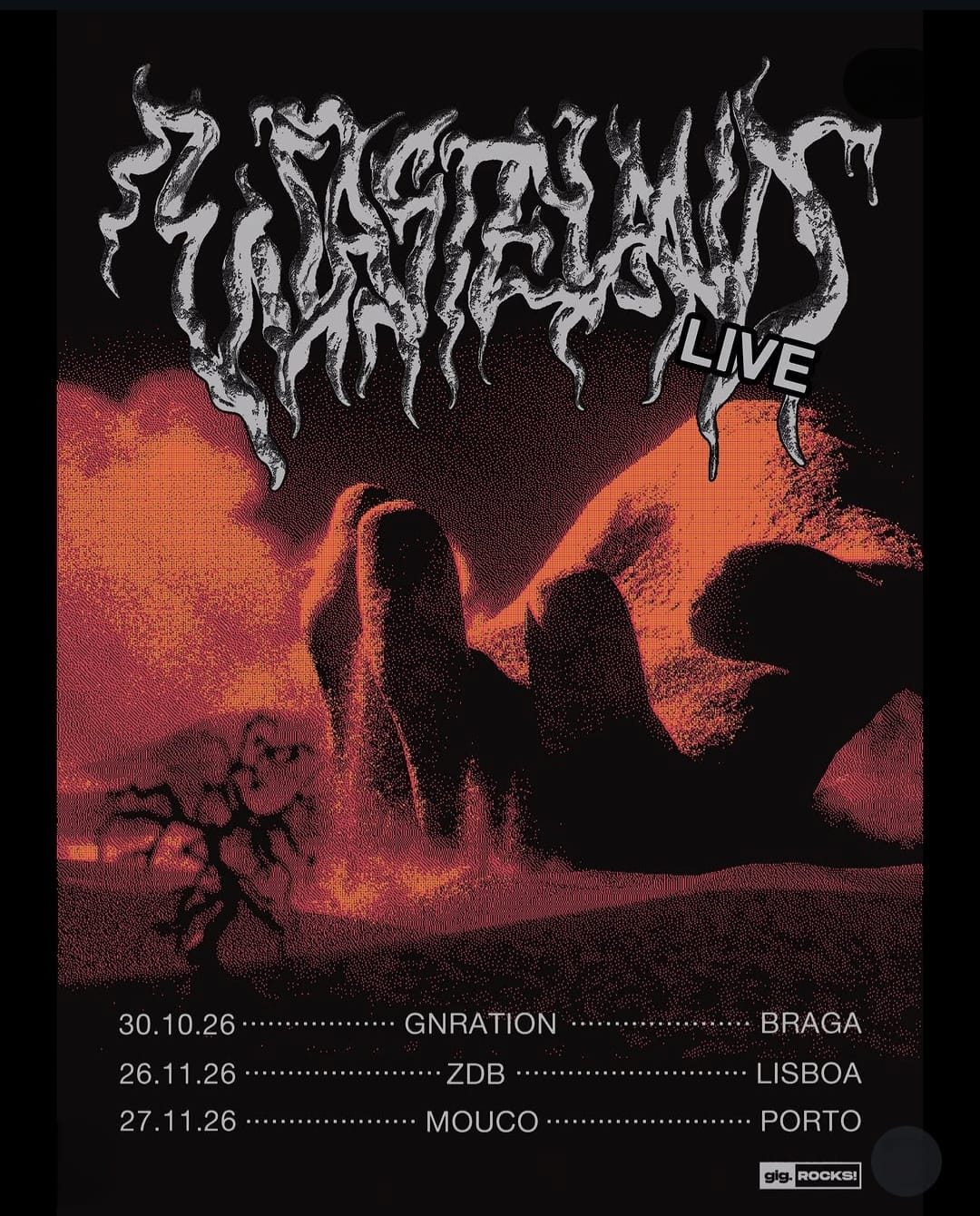
Algunas fechas confirmadas de su gira: LOBA Fest (09/10), Badajoz (14/11) Monkey Week (20/11), Lisboa (26/11) y Oporto (27/11).