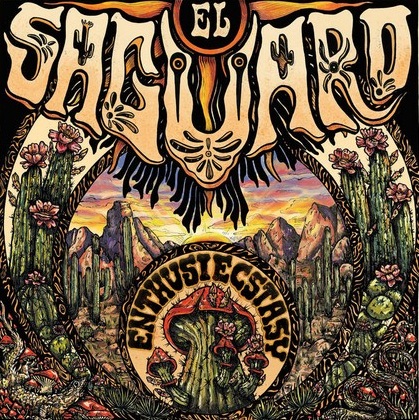
Lisbon-based El Saguaro’s debut EP Enthusiecstasy (2025, Pink Tank Records) doesn’t revive the 70s, they take you there.
Marco Lima tracked, mixed, and mastered the whole thing at Hertzcontrol Studios in Caminha (Portugal), slipped in some keys and synths, and still had room to capture what makes this band unique. Four tracks, three musicians: Lucas Hugues on guitar and vocals, André Horta on bass and percussion, João Ferreira on percussion. Both Horta and Ferreira sing backup, which matters more than you’d think. You can’t tell where one ends and the next begins.
El Saguaro, instalados en Lisboa, no vienen a “recuperar” los setenta con su EP de debut Enthusiecstasy (2025, Pink Tank Records). Vienen a plantarte allí dentro.
Marco Lima se encargó de grabarlo, mezclarlo y masterizarlo todo en Hertzcontrol Studios, en Caminha (Portugal). Añadió teclados y sintetizadores cuando tocaba y, aun así, dejó aire suficiente para que aflore lo que distingue a la banda. Cuatro temas, tres músicos: Lucas Hugues (guitarra y voz), André Horta (bajo y percusión) y João Ferreira (percusión). Horta y Ferreira también se ocupan de los coros, y eso es más decisivo de lo que parece. Las voces se entrelazan hasta el punto de que cuesta saber dónde termina una y empieza la otra.
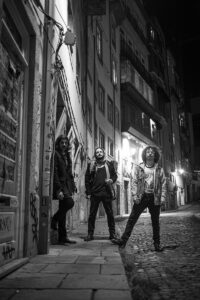
The band’s name doesn’t seem accidental. A saguaro cactus survives by managing pressure, its stem swelling when its watered and tightening when it’s not. That basically sums up the rhythm section on Enthusiecstasy: Horta and Ferreira don’t lock into a metronome, they expand and contract the pocket. When the guitar pushes, the rhythm section swells. When the verse returns, it pulls back. It’s breathing, elastic; time and tension.
No creo que el nombre de la banda se eligiera al azar. El cactus saguaro sobrevive regulando la presión: su tallo se expande cuando recibe agua y se contrae cuando escasea. Esa imagen explica bastante bien lo que ocurre en la base rítmica de Enthusiecstasy: Horta y Ferreira no se aferran a un clic indiferente, ensanchan y comprimen el pulso. Si la guitarra empuja, la sección rítmica se abre. Cuando regresa la estrofa, se recoge. Es música que respira. Elástica. Pura gestión de tiempo y tensión.
The EP explodes with a Kiss The Sky-adjacent “Ticket to Fly”. Hugues’ vocals are grounded enough to keep the song from veering into pure jam territory. The solo grows out of the body of the track – like a cactus arm that stretches upward naturally from the groove, giving the song a lift that heavy-psych fans will recognize instantly.
El EP arranca con la detonación de “Ticket to Fly”, en clara órbita Kiss The Sky. La voz de Hugues evita que el tema se deslice hacia una jam sin rumbo. El solo brota desde dentro del propio cuerpo de la canción, como un brazo de cactus que se alza con naturalidad desde el groove, elevando el conjunto de una forma que cualquier aficionado al heavy-psych identifica al instante.

“Viaje” cools it all down. The ride (cymbal) play and the cleaner, more extended guitar chords with those syncopated stabs, especially toward the end, make it sound jazzy, while the swell towards the end of this seven-minute beauty reminds you this is still El Saguaro. The intensity doesn’t drop, the temperature does – much like it does during the desert night.
“Viaje” rebaja la temperatura. El trabajo con el ride y esos acordes más limpios y prolongados, salpicados de acentos sincopados (sobre todo hace el final), le dan un aire jazzístico, mientras el desarrollo hace el final de los siete minutos recuerda que seguimos ante El Saguaro. La intensidad no disminuye; lo que baja es el calor. Como cuando cae la noche en el desierto.
The instrumental piece “Nazaré” is appropriately named after Portugal’s legendary surf spot. It starts out slow and peaceful, like you’re a surfer gliding inside a perfect barrel. The wave holds you, smooth and turquoise green, and for a second you think it might never end. Then the shelf rises. The wave can no longer carry its own weight and everything collapses into white water, into the sudden physics of guitar release.
Suddenly, the trio’s innards are revealed. Have you ever been to the desert? Ever seen the woody ribcage of a saguaro? It’s what lets it grow so tall and what’s left when the rest falls away. In “Nazaré,” the wave breaks, the foam washes away, and that same skeleton stands bare: these three guys have some real musical chops (and Marco’s keys add the color and warmth that make all the difference).
La instrumental “Nazaré” lleva el nombre con toda la intención: el mítico enclave surfero portugués. Empieza lenta y apacible, como si te deslizaras dentro de un barrel perfecto. La ola te sostiene, suave, de color verde turquesa, y durante un instante parece eterna. Hasta que el fondo se eleva. La ola ya no puede sostener su propio peso y todo estalla en espuma blanca; de repente, las leyes de la física liberan la guitarra.
Y entonces las tripas del trío quedan expuestas. ¿Has estado alguna vez en el desierto? ¿Has visto las fibras de madera que sostienen un saguaro? Es lo que le permite alcanzar esa altura y lo que permanece cuando lo demás desaparece. En “Nazaré”, la ola rompe, la espuma se retira y ese esqueleto leñoso queda al descubierto: estos tres músicos saben tocar de verdad (y las teclas de Marco aportan el color y la calidez que terminan de marcar la diferencia).
The saguaro cactus waits half a century to bloom. My guess is that El Saguaro placed “Slow ’n’ Easy” at the end for the same reason. After the acid spirals, dreamy solos and jazzy swells, when the needle settles and you’re just about to lift it, the bass walks in sideways like Ringo’s ghost. It’s a groovy, heavy strut that will make your head bob. If saguaros bloom at night and close by midday, “Slow ’n’ Easy” is the night flower of the EP: late, short and sweet, and makes it worth one proper full spin.
El saguaro tarda medio siglo en florecer. Diría que El Saguaro coloca “Slow ’n’ Easy” al final por un motivo parecido. Tras las espirales ácidas, los solos oníricos y los desarrollos “jazzy”, cuando estás a punto de levantar la aguja, el bajo entra fuerte, como si se colara el fantasma de Ringo. Es un paso con flow, groove y peso, que te obliga a marcar el ritmo con la cabeza. Si el saguaro florece de noche y se cierra al mediodía, “Slow ’n’ Easy” es la flor nocturna del EP: tardía, breve y deliciosa, y hace que el disco entero merece una escucha completa, sin shuffle.

For a band formed only in late 2023, Enthusiecstasy carries a confidence that suggests a longer underground growth cycle (OK, I’ll stop with the cactus metaphors!). The album doesn’t try to reinvent heavy-psych, 70s or desert rock, nor does it drown any of it in nostalgia. For a band this young, this much chemistry and awareness are surprising. I’m just sorry I didn’t get around to listening to them more last May when the album was first released.
Para una banda formada a finales de 2023, Enthusiecstasy transmite una seguridad que apunta a un proceso de crecimiento subterráneo más largo (vaaaale, no sigo con los cactus…). El disco no intenta reinventar el heavy-psych, los setenta o el desert rock, ni los recubre de nostalgia. En un grupo tan joven, semejante química y conciencia de lo que hacen sorprenden. Solo lamento no haberles dedicado más tiempo el pasado mayo, cuando el álbum vio la luz.
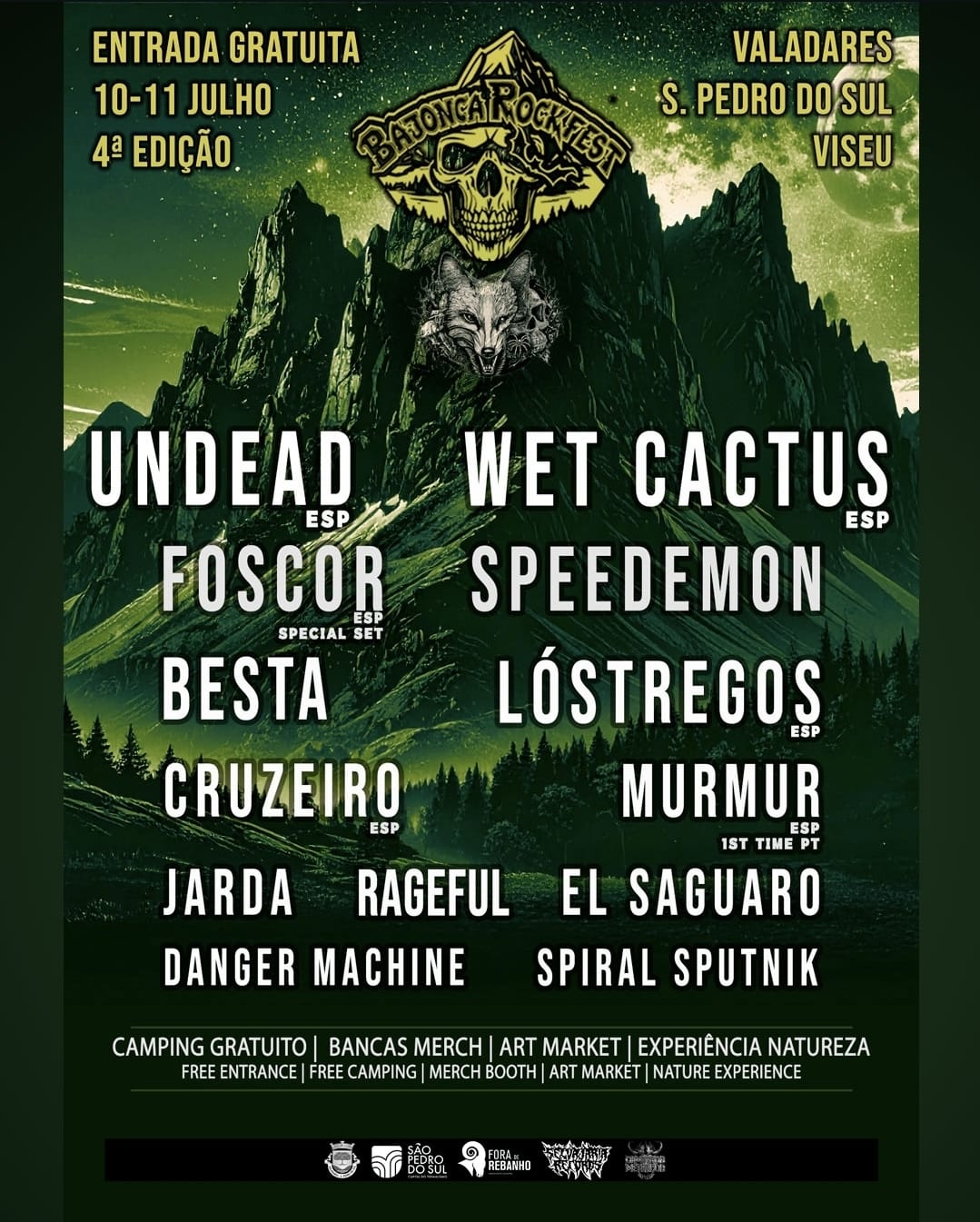
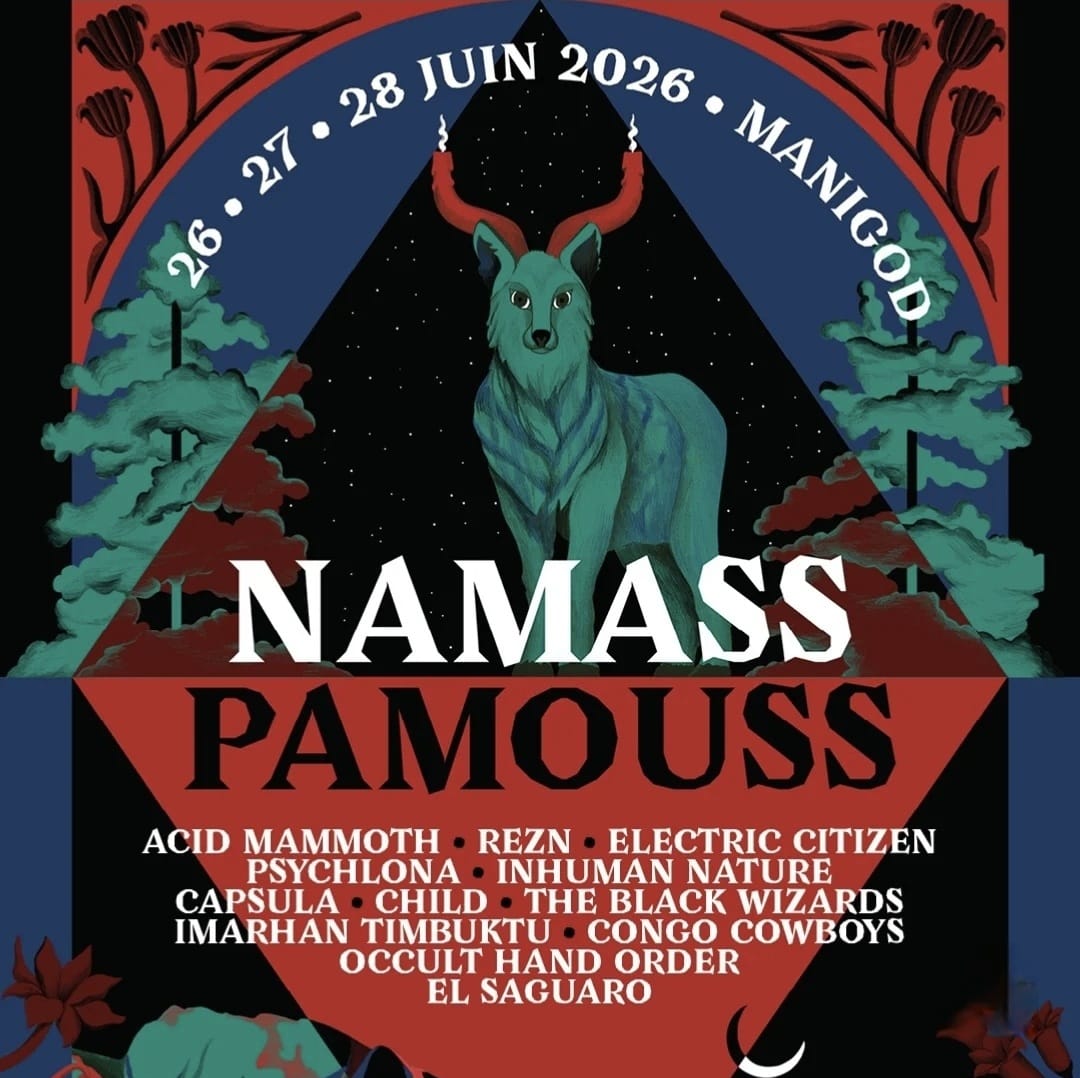
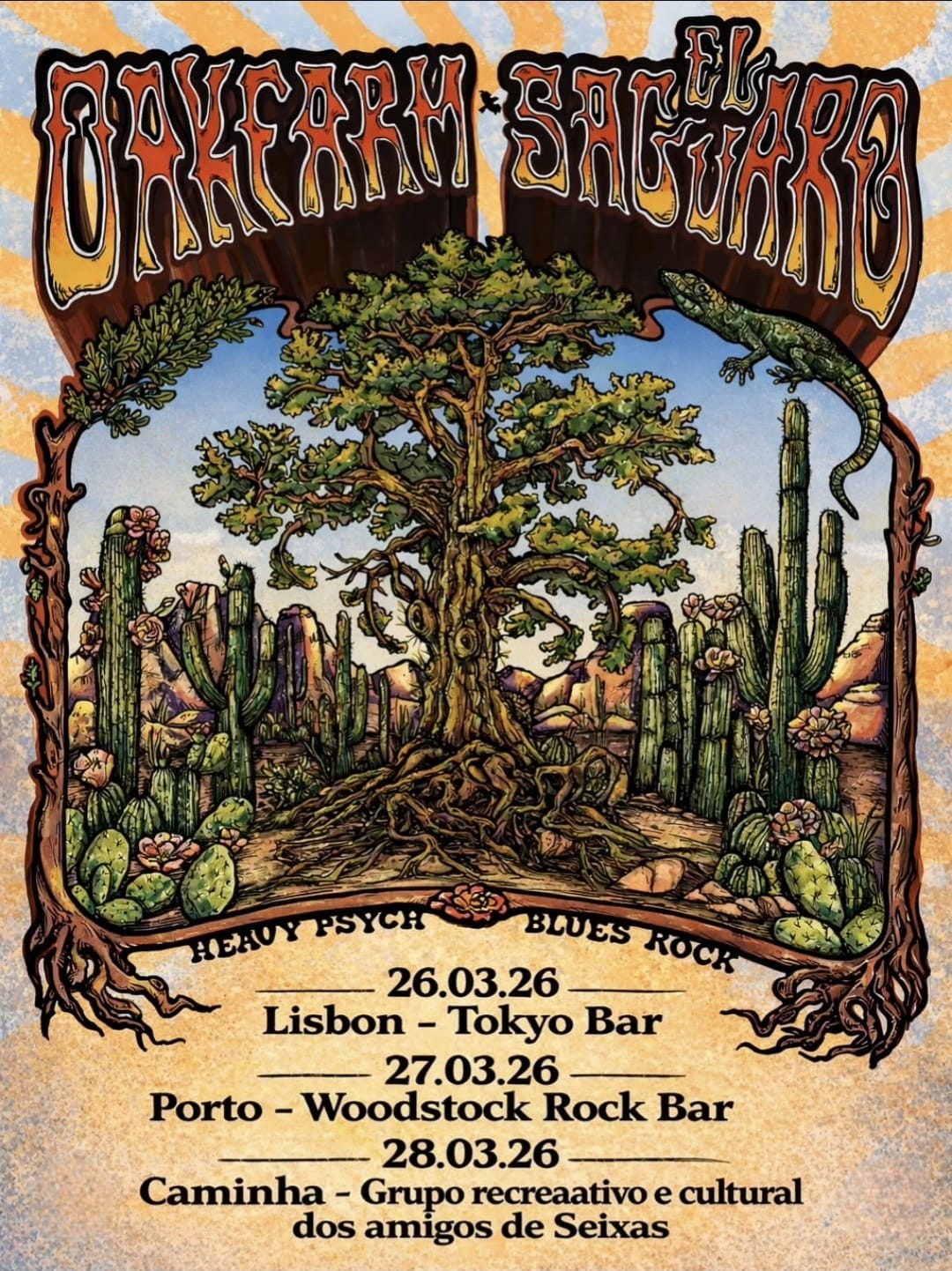
If you’re in Lisbon, Porto or Caminha next month, be sure to check them out from the 26th to the 28th of March. They also have some festival slots already lined up this summer: Namass Pamouss in France in June (alongside Acid Mammoth, Rezn, Child, The Black Wizards and more) and Bajonca Rock Fest in Viseu in July. Not bad for a plant that officially surfaced just a couple years ago. (Sorry, I had to get one last metaphor in!)