It’s kind of funny to me how many heavy-psych millennial fans have never actually listened to the OG proto-psych bands of the late ’60s and early ’70s.
It’s like someone who started Game of Thrones with season eight trying to explain the lore. Or Rosalía fans discovering classical music and going, “Wait, this has been around for centuries?”
Es curioso cómo muchos fans millennial del heavy-psych nunca han escuchado de verdad a las bandas que parieron el género a finales de los 60 y principios de los 70.
Es como alguien que empieza Juego de Tronos por la octava temporada luego te intenta explicar toda la lore. O como cuando los fans de Rosalía descubren la música clásica y sueltan: “Espera, ¿esto lleva siglos existiendo?”
To be fair, not everyone had the luxury of growing up with prog and ‘60s proto-psych. Especially here in Spain, where a lot of those bands never exactly got showered with airplay. Honestly, I think using the music you love now as a jumping-off point to find out where it all came from is one of the best rabbit holes you can fall into.
Bueno, en verdad, no nos pongamos exquisitos tampoco. No todo el mundo tuvo la suerte de criarse con el prog y el proto-psych de los 60. Sobre todo aquí en España, donde muchas de esas bandas nunca sonaron en ningún sitio. Sinceramente, creo que usar la música que te flipa ahora para tirar del hilo y ver de dónde viene todo es una de las mejores formas de perder una tarde entera sin darte cuenta.
We all know Sabbath, King Crimson, Cream and Pink Floyd. But have you really listened to Blue Cheer? Budgie? Steppenwolf? Trouble? Have you dug into those early records where guitars were being fuzzed into oblivion, instruments were doing things they probably weren’t supposed to do, songs stopped behaving like songs, and somebody apparently decided that varispeed was a perfectly normal idea?
And don’t forget all those “bands that start with ‘THE’ ”: The Byrds, The Kinks, The Moody Blues, The Yardbirds, The Beach Boys, The Who, The Doors, The Rolling Stones… Sure. Those you’ve heard of.
But what about The Misunderstood? The Amboy Dukes? The Pretty Things? The Chocolate Watchband? The 13th Floor Elevators?
And the list could play on for hours…
Todos conocemos a Sabbath, King Crimson, Cream y Pink Floyd. Pero, ¿has escuchado de verdad a Blue Cheer? ¿A Budgie? ¿Steppenwolf? ¿Trouble? ¿Has buceado en esos discos donde las guitarras se distorsionaban hasta el olvido, los instrumentos hacían cosas que se supone que no debían hacer, las canciones dejaban de comportarse como tal, y alguien decidió que el varispeed era una idea perfectamente normal?
Y no nos olvidemos de todas esas bandas que empiezan por “THE”: The Byrds, The Kinks, The Moody Blues, The Yardbirds, The Beach Boys, The Who, The Doors, The Rolling Stones… Esas ya las conoces.
Pero, ¿y The Misunderstood? ¿The Amboy Dukes? ¿The Pretty Things? ¿The Chocolate Watchband? ¿The 13th Floor Elevators?
Y la (play)lista podría seguir durante horas…
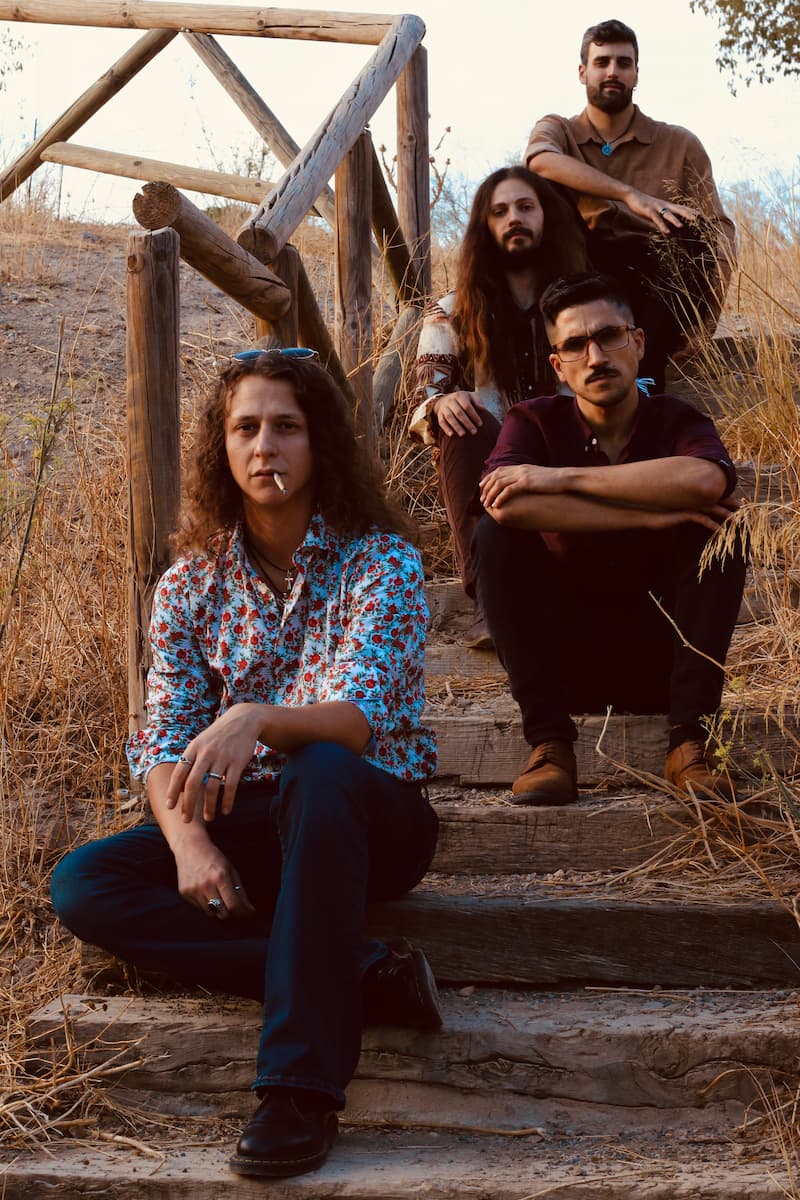
Which brings me to Plastic Woods (no “the” here).
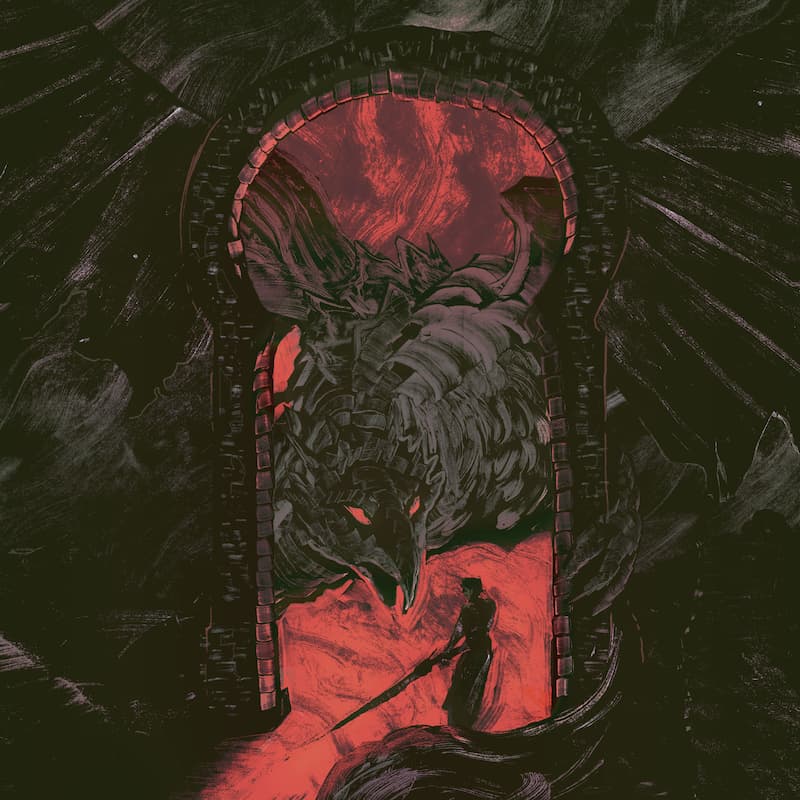
Formed in Antequera (southern Spain) in 2018, this is a band that has very obviously done its homework. The first thing that crossed my mind when I put on their upcoming third album, Mirrors, was that I’d somehow stumbled across a long-lost classic rock record that had been sitting in a dusty old bin in an Elektra warehouse for the last fifty years.
Except this one has mushrooms in it.
And Arabic percussion.
And proggy quirkiness.
And some very tasty fuzz.
And, at one point, something that made me stop and go: “What is that? A theremin!?” (SPOILER – it wasn’t.)
Lo cual me lleva a Plastic Woods (a secas, sin “the”).
Formada en Antequera en 2018, esta es una banda que claramente ha hecho los deberes. Lo primero que pensé cuando puse su próximo tercer disco, Mirrors, fue que me había topado con un disco perdido de rock clásico que llevaba cincuenta años criando polvo en un almacén de Elektra.
Solo que, en vez de polvo, hay setas.
Y percusión árabe.
Y rarezas prog-rock.
Y un fuzz muy sabroso.
Y, en un momento dado, algo que me hizo parar y decir: “¿¡Qué coño es eso?! ¿Un theremin?” (SPOILER: no lo era).
I first saw Plastic Woods at Sonic Blast in Portugal a few years back, and I’ve kept an eye on them since then, listening to Icarus (2019), Dragonfruit (2021) from time to time, and following bassist Muriel’s considerably doomier side-project, Red Eye. So I wasn’t coming to Mirrors completely cold.
Still, this album caught me pretty off guard.
La primera vez que vi a Plastic Woods fue en el Sonic Blast de Portugal hace unos años, y desde entonces les he seguido la pista, escuchando Icarus (2019) y Dragonfruit (2021) de vez en cuando, y siguiendo Red Eye, el proyecto paralelo bastante más doomero del bajista Muriel. Así que algo me sonaba ya de antes.
Aun así, Mirrors me pilló bastante por sorpresa.
The band describes itself as a sort of “Al Andalus Faith No More proggers.”
Mmmm. I’m not too sure about that one.
There are definite Jethro Tull moments. Some Tool moments, too (particularly on “Inner Battles”). But there’s so much more. And somehow, against all odds, they make it work.
La banda se describe a sí misma como una especie de “los Faith No More del progresivo andaluz”
Mmmm. No me convence del todo.
Tienen momentos claros rollo Jethro Tull. Y algunos de Tool (sobre todo en “Inner Battles”). Pero hay muchísimo más. Y de alguna manera, contra todo pronóstico, funciona.

“Living the Lights” opens the album with some killer ‘70s bass and groove. Soon enough, though, it morphs into something completely different that sets the tone perfectly for what’s to come.
“Inner Battles” is the sonic equivalent of Being John Malkovich in today’s modern-life shitshow. The band describes it as anxiety and alienation: clocks, screens, notifications, obligations, technology – all the fun stuff that gets us closer to a panic attack by the minute.
Musically, though, it never feels like a lecture about anxiety. It feels restless. Uncomfortable. There’s movement everywhere, but the progressive elements don’t sound like an excuse to show off, although these guys definitely could.
“Living the Lights” abre el disco con un bajo y un groove setenteros que se salen. Pero pronto muta en algo completamente distinto que marca el tono perfecto de lo que viene después.
“Inner Battles” es el equivalente sonoro a “Being John Malkovich” en el circo moderno en el que vivimos. La banda lo describe como ansiedad y alienación: relojes, pantallas, notificaciones, obligaciones, tecnología… todas esas cosas divertidas que nos acercan un poquito más a un ataque de pánico.
Musicalmente, sin embargo, nunca se siente como un discursito sobre la ansiedad. Se siente inquieto. Incómodo. Hay mucho movimiento, pero los elementos progresivos no suenan simplemente como una excusa para lucirse, aunque estos tíos claramente podrían.
Then comes “The Fool and the Tower” their newly-released second single, which takes Tarot imagery and does something considerably more upbeat with it. It’s ¡danceable! Yes, really!
…Until it isn’t.
There’s a throwdown toward the end that completely changes the vibe. This is where my ears heard what sounded like a theremin. At this point, with Plastic Woods, I wouldn’t rule anything out.
Acaba de salir su segundo adelanto, “The Fool and the Tower”, que coge la imaginería del Tarot y hace algo bastante más animado con ella. ¡Es bailable! ¡Sí, de verdad!
…Hasta que deja de serlo.
Hay un desfase hacia el final que cambia por completo el vibe. Ahí es donde mis oídos escucharon lo que sonaba como un theremin. A estas alturas, con Plastic Woods, yo no descartaría nada.
“All I Know” might be the album’s greatest little shape-shifter. It starts out with some Marcus-Miller-approved slap, throws in another little throwdown, and suddenly we’re psychedelic. Before we’re back to pure classic rock, with those wonderfully sultry keys. Then everything slows waaaay down and you think the song is over.
But it isn’t!
For me, this is the “tease” track on Mirrors. Or maybe the “Superman” track. Is it a bird? A plane? No. It’s Plastic Woods doing what they seem to do best: taking a little bit of everything we love and somehow making it coexist without sounding like your Spotify DJ glitching.
All I know is that I know nothing when it comes to “All I Know”. (Maybe I’m the one glitching!) The band says it’s the album’s most direct song and where social criticism takes center stage, touching on fake news, propaganda, contemporary fascism, wars turned into spectacle and suffering reduced to numbers and headlines.
“All I Know” es el camaleón del disco. Arranca con un slap que hasta Marcus Miller aprobaría, mete otro pequeño desfase, y de repente estamos en modo psicodélico, antes de volver al puro rock clásico, con esos teclados tan sensuales. Entonces todo se ralentiza muchísimo y piensas que la canción se ha acabado.
¡Pero no!
Para mí, es el tema que te pone a mil y luego te hace la cobra. O quizá es el “Superman” de Mirrors. ¿Es un pájaro? ¿Un avión? No. Son Plastic Woods haciendo lo que mejor se les da: coger un poco de todo lo que amamos y hacer que todo eso conviva sin sonar como si tu DJ de Spotify se hubiera glitcheado.
Lo único que sé es que no sé nada, cuando se trata de “All I Know” [“Todo lo que sé”]. (¡Quizá la que tiene glitches, soy yo!) La banda dice que es la canción más directa del álbum y donde la crítica social pasa a primer plano: fake news, la propaganda, el fascismo de hoy en día, las guerras convertidas en espectáculo y el sufrimiento reducido a cifras y titulares.
Next up is the title track: “Mirrors”.
The vocals really shine here, the harmonies are gorgeous, and there’s something slightly dreamlike about the whole thing. I’m not entirely sure what to make of the abrupt ending, but music isn’t necessarily made to be “gotten”. Sometimes it just is what it is – art.
Después llega el tema que da título al disco: “Mirrors“.
Las voces brillan aquí, las armonías son preciosas, y hay algo bastante onírico en todo ello. No tengo del todo claro qué pensar de ese final tan abrupto, pero la música no está hecha necesariamente para “entenderse”. A veces simplemente es lo que es: arte.
“Srorrim” (“mirrors” backwards, obviously) is probably the track I’d save for headphones and a dimly-lit room with some incense (ejem) burning.
The keys and guitar are just sublime. It’s chill, although that’s relative when there’s still so much fuzz and little explosions of emotion lurking underneath it.
It is trippy enough for a late-night bout of introspection, which fits perfectly with the band’s idea of looking backwards through our childhoods, adolescence and those first emotional wounds.
No matter how fitting you think the lyrics are, seriously, do the track a favor: really listen – there’s a lot more going on than meets the naked ear.
“Srorrim” (“mirrors” al revés, obviamente) es probablemente el tema que me guardaría para mis cascos Princesa Leia y una habitación con poca luz y algo de ‘incienso’ (ejem) quemándose.
Los teclados y la guitarra son simplemente sublimes. Es un tema chill, aunque eso es relativo cuando sigue habiendo tanto fuzz y esas pequeñas explosiones de emoción latentes.
Es suficientemente trippy para una sesión de introspección de madrugada, lo cual encaja perfectamente con la idea de la banda de mirar atrás a través de nuestra infancia, adolescencia y esas primeras heridas emocionales.
Da igual lo acertada que te parezca la letra: de verdad, hazle un favor al tema. Escúchalo de verdad. Hay mucho más de lo que parece a simple oído.
Then comes “Sandflower”, and this is where Plastic Woods remind you where they come from.
There’s a distinctly Middle Eastern influence here, and you can hear those Malagueño roots in it. Arabic scales, flute, percussion (I actually had to go to their Bandcamp page to figure out what some of those instruments were).
The flute, played by Elisa de la Torre García, was obvious enough. The bendir and crótalo castanet, courtesy of Estefi Otero Martínez, were a little less obvious though.
And then the song turns into seventies space rock.
Arabic space rock?
Apparently it’s a thing.
With fuzz. ALWAYS with fuzz…
The band’s own concept for “Sandflower” revolves around reconstruction and freedom, using the desert as both existential emptiness and a place where something new can grow. Nietzsche’s camel, lion and child are all part of that journey.
But again, you don’t really need to know any of that to enjoy the song. You can simply put it on and let Plastic Woods take you somewhere you’ve never dreamed of visiting.
Luego llega “Sandflower“, y aquí es donde Plastic Woods te recuerdan de dónde vienen.
Hay una influencia claramente andaluza, y se notan esas raíces malagueñas. Escalas árabes, flauta, percusión (de hecho, tuve que ir a su página de Bandcamp para averiguar qué eran algunos de esos instrumentos).
La flauta, tocada por Elisa de la Torre García, era bastante obvia. El bendir y las castañuelas de crótalo, cortesía de Estefi Otero Martínez, lo eran un poco menos.
Y entonces la canción se convierte en space rock setentero.
¿Space rock árabe?
Parece que existe.
Con fuzz. Que no falte – ¡NUNCA!
Según la banda, “Sandflower” gira en torno a la reconstrucción y la libertad, usando el desierto como vacío existencial y como lugar donde algo nuevo puede crecer. El camello, el león y el niño de Nietzsche forman parte de ese viaje.
Pero, de nuevo, no necesitas saber nada de eso para disfrutar la canción. Puedes simplemente ponerla y dejar que Plastic Woods te lleven a un sitio que nunca soñaste con visitar.
Finally, we arrive at “Jabberwocky”.
Flute again. Black Sabbath tritones. A freaking marching rhythm! (Somewhere in there I got a flash of The Phantom of the Opera.) Then the space rock kicks back in.
I’m going to say it again: Only Plastic Woods could probably put all of those things in the same song and make me go, “Yep. Makes sense.”
The band has chosen to close Mirrors with Lewis Carroll’s Jabberwocky as its “Voldemort-esque” monster – a creature that can’t really be defined because it’s made from invented words. In their concept, it becomes the perfect representation of the fears we can’t quite name: the thing we fight until we realize the monster is, in some way, part of us.
Finalmente, llegamos a “Jabberwocky“.
Flauta otra vez. Tritonos a lo Black Sabbath. ¡Un ritmo de marcha! (En algún punto me vino un flash de El Fantasma de la Ópera.) Luego el space rock vuelve a aparecer.
Lo voy a decir otra vez: solo Plastic Woods podrían meter todas esas cosas en la misma canción y hacer que yo diga: “Claro. Tiene sentido.”
La banda ha elegido cerrar Mirrors con el Jabberwocky de Lewis Carroll como su monstruo estilo Voldemort: una criatura que no se puede definir realmente porque está hecha de palabras inventadas. En su concepto, se convierte en la representación perfecta de los miedos que no podemos nombrar: eso contra lo que luchamos hasta que nos damos cuenta de que el monstruo es, de alguna manera, parte de nosotros.
It actually makes a lot of sense. This is obviously a concept album. The band has built a whole internal journey around it: hope, anxiety, collapse, confrontation, memory, reconstruction, freedom. Jung, Nietzsche, Tarot, Lewis Carroll (and ¿Andrew Lloyd Webber?).
There are echoes of a hundred things in there, sure. Seventies hard rock. Psychedelia. Prog. Blues. Folk. Doomier textures. Middle Eastern influences. Space rock. Funk.
But the genius is in hearing how they seamlessly weave all those pieces together.
And maybe that’s why the whole “Al Andalus Faith No More proggers” thing doesn’t quite work for me.
Plastic Woods sound like Plastic Woods.
La verdad es que tiene mucho sentido. Esto es obviamente un disco conceptual. La banda ha construido todo un viaje interno alrededor de él: esperanza, ansiedad, colapso, confrontación, memoria, reconstrucción, libertad. Jung, Nietzsche, el Tarot, Lewis Carroll (¿y Andrew Lloyd Webber?).
Hay ecos de mil cosas ahí dentro, claro. Hard rock setentero. Psicodelia. Prog. Blues. Folk. Texturas más doom. Influencias de Oriente Medio. Space rock. Funk.
Pero el genio está en escuchar cómo tejen todas esas piezas sin costuras.
Y quizá por eso lo de “proggers de Al Andalus estilo Faith No More” no me termina de convencer.
Plastic Woods suenan a Plastic Woods.
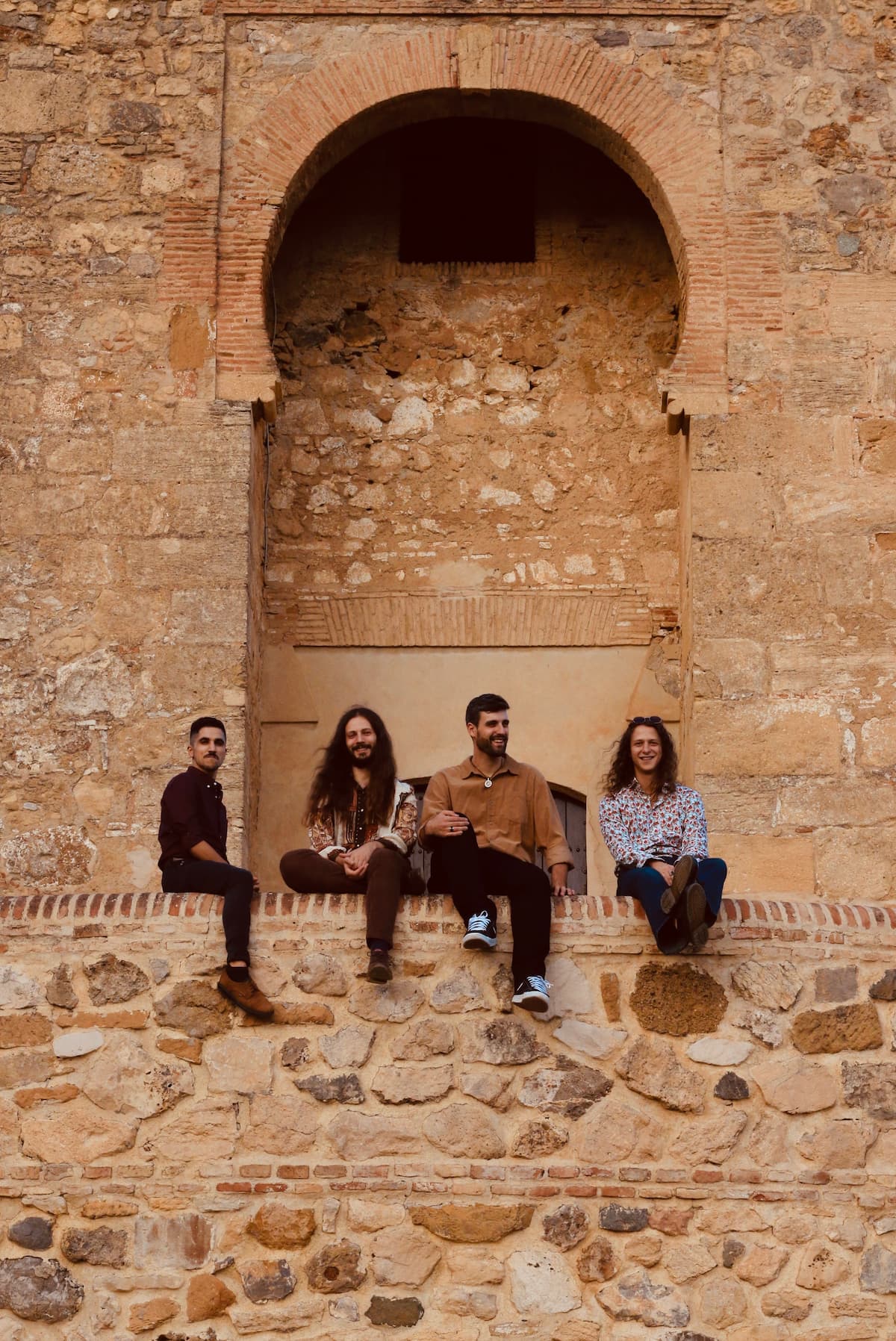
Javier Rubio Arrabal (percussion), Antonio Pérez Muriel (bass, arrangements), Jesús de la Torre Sánchez (guitars, vocals, lyrics) and Rafael Marín Becerra (keys, lap steel, arrangements) are four extremely talented musicians clearly not interested in choosing one box and staying inside it.
And honestly – thank god!
Javier Rubio Arrabal (percusión), Antonio Pérez Muriel (bajo, arreglos), Jesús de la Torre Sánchez (guitarras, voces, letras) y Rafael Marín Becerra (teclados, lap steel, arreglos) son cuatro músicos extremadamente talentosos a los que claramente no les interesa encasillarse.
Y, sinceramente, ¡menos mal!
There are plenty of bands out there making music that sounds “retro” because they’ve discovered an old fuzz pedal and bought some flared trousers.
No, Plastic Woods are doing something else. They sound like the actually went down the rabbit hole, listened to the records, found the good, albeit obscure, shit, then kept digging and came back with a gloriously weird record.
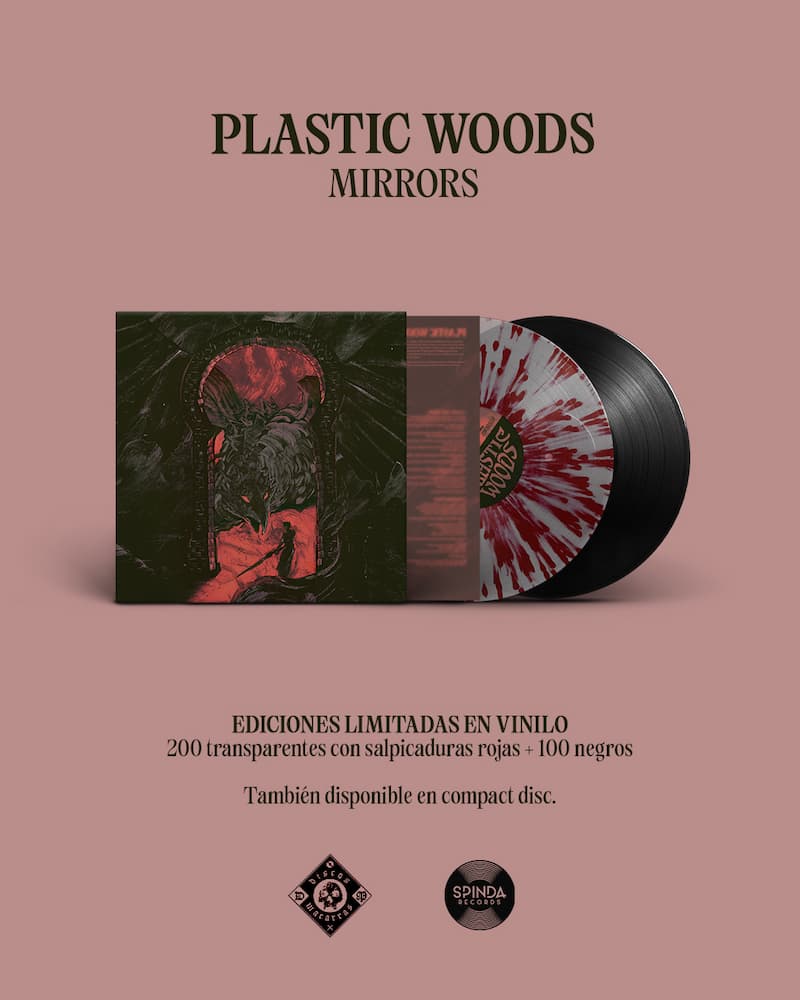
Mirrors will be released on October 22 through Spinda Records and Discos Macarras.
And live?
Unmissable.
Check them out…
Hay un montón de bandas por ahí haciendo música que suena “retro” porque han descubierto un pedal de fuzz viejo y se han comprado unos pantalones de campana.
No. Plastic Woods están haciendo otra cosa. Suenan como si de verdad hubieran bajado por la madriguera, hubieran escuchado los discos, hubieran encontrado la buena mierda, por muy “obscura” que sea, y hubieran seguido cavando hasta volver con un disco gloriosamente raro.
Mirrors sale el 22 de octubre a través de Spinda Records y Discos Macarras.
¿Y en directo?
Imprescindibles.
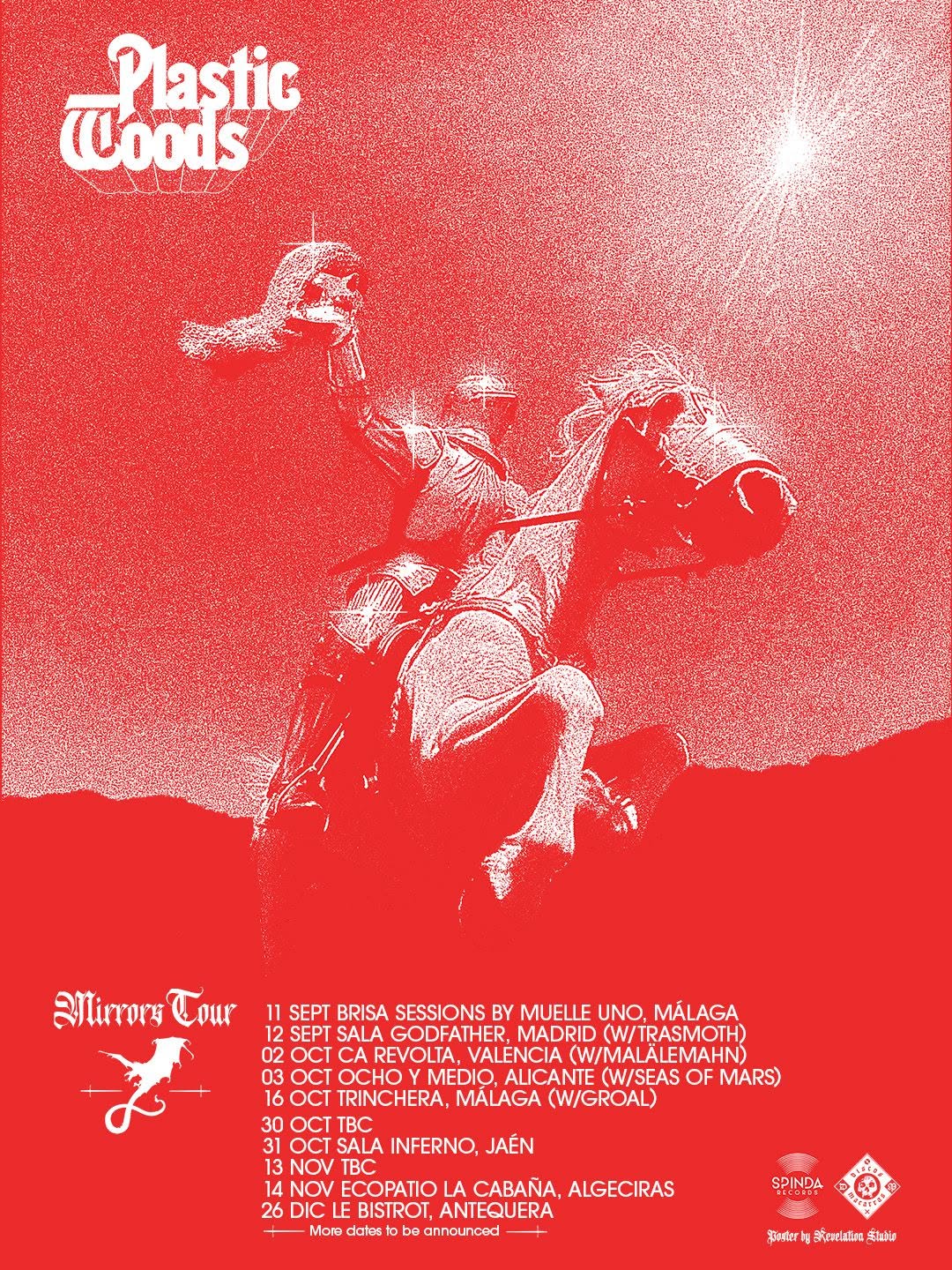
PRÓXIMAS FECHAS CONFIRMADAS
02.10 – Valencia – Ca Revolta
03.10 – Alicante – Ocho y Medio
16.10 – Málaga – La Trinchera
31.10 – Jaén – Sala Inferno
13.11 – Algeciras – La Cabaña Ecopatio
14.11 – Gibraltar – Mag Club
26.12 – Antequera – Le Bistrot
fotos: Marta Vélez