
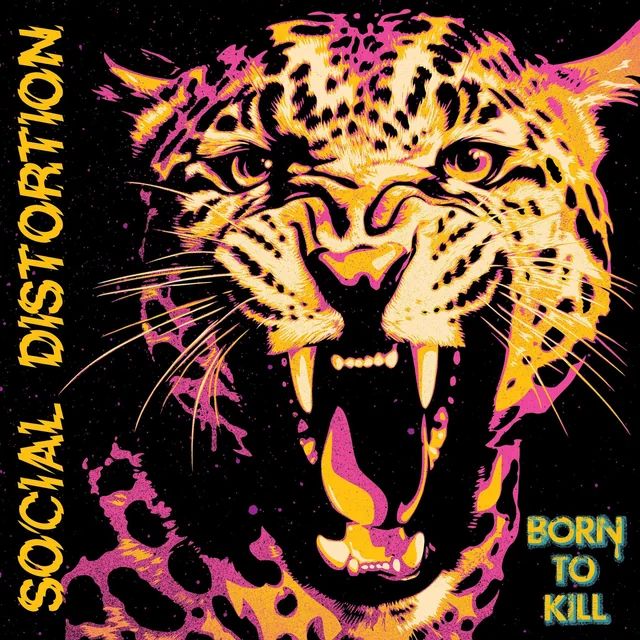
Social Distortion regresa con su esperado album ‘Born to Kill’. Los seguidores de la banda estamos de enhorabuena, tras cerca de 15 años de espera, por fin podemos escuchar un nuevo disco de los californianos. Este viernes 8 de mayo verá la luz su esperado nuevo disco ‘Born To Kill‘. En DirtyRock hemos podido escucharlo anticipadamente este miércoles y podemos avanzaros las sensaciones que nos ha producido el esperado regreso de Mike Ness y compañía.
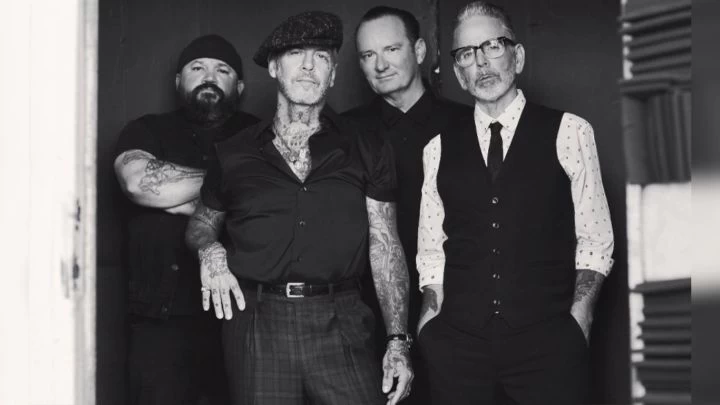
A decir verdad, este disco debía haber visto la luz hace unos años pero la detección del cáncer de garganta Mike Ness pospuso los planes varias veces. Ya es por todos sabido que grabar discos es algo que parece que le cuesta, pero bien es cierto que una vez entra en el estudio se puede apreciar en cada detalle la pasión y la dedicación con que lo hace. Con un sonido tremendamente potente a la vez que perfectamente nítido, la producción en este caso corre a cargo de la colaboración entre el propio Mike Ness y Dave Sardy, dando como resultado un álbum orgánico, áspero y muy directo.
La formación es la que viene siendo habitual en los últimos años, con Jonny “Two Bags” Wickersam a la guitarra, Dave Hidalgo Jr a la batería y Brent Harding al bajo. Para esta ocasión la banda cuenta con un par de colaboraciones de lujo, con el Heartbreaker Benmont Tench a los teclados y Lucinda Williams que acompaña a Mike en las voces de la vaquera ‘Crazy Dreamer’.
El disco respira un aire de echar la vista atrás y recapitular. En ocasiones con cierta nostalgia pero siempre con el orgullo y chulería propios de Ness. Arranca el disco con el que fue el primer single de adelanto y tema que da nombre al disco: ‘Born To Kill‘. Un tema 100% Social Distortion que es una declaración de intenciones con una vuelta al sonido más esencial y de que aún le queda mucha tela por cortar. ‘No Way Out’ no baja el ritmo y es otro pelotazo al puro estilo clásico de la banda.
A lo largo de la carrera de SD, es recurrente el ejercicio de mirar atrás y recapitular. “The Way Things Were” es un tema cargado de nostalgia y probablemente incluya la mejor letra que haya escrito Ness en su carrera. Aquí aparece un Mike Ness más reflexivo, marcado por el paso del tiempo y las circunstancias personales recientes. No hay dramatismo exagerado, sino una melancolía seca y creíble, con una melodía marca de la casa de esas que te remueven algo dentro. Hace ya unos años que esta canción venían tocándola en directo y circulaban videos por ahí. Ya apuntaba a algo grande, pero escucharla por fin en las mejores condiciones confirma que es uno de los puntos altos de su discografía.
A continuación, ‘Tonight‘ vuelve a subir el ritmo en un tema que también había sido interpretado en directo en las últimas giras. Con una estructura quizás cercana al country, vuelve a confirmar lo bien que se traslada Mike ese tipo de canción al punk rock clásico de la banda.
‘Partners in crime‘ es un tema algo más machacón, que puede recordar a la cara B del ‘White Light White Heat White Trash’ (1996), de esos que a priori pasan bajo el radar y van creciendo con las escuchas. Un crescendo final y dos solos que elevan la canción (especialmente el segundo, sospecho que a cargo de Jonny). Hay que poner en valor los solos de guitarra del disco. Solos cargados de feeling y no de onanismo guitarrístico, que ayudan al tema y lo llevan a otro lugar sin necesidad de hacer mil notas y trucos.
‘Crazy Dreamer‘ es una balada country que remite a los discos en solitario de Mike y cuenta con la colaboración de Lucinda Williams, remitiendo a los duetos clásicos del género en los 70s. Queda algo deslucida la voz de Lu, siempre algo en segundo plano. Quizás habría ganado el tema si se hubieran repartido estrofas entre ellos y no la hubieran cantado entera juntos. Oportunidad perdida.
Bien es sabida la querencia de Mike por las versiones y los homenajes a sus héroes. En esta ocasión ha elegido ‘Wicked Game‘ de Chris Isaak. Hay bastante acierto en cómo se lleva el tema a su terreno, quizás el debate sea si era necesario a estas alturas versionar una canción ya algo sobreexpuesta y si después de tanto tiempo sin grabar discos una versión merece quitar el sitio a un tema propio.
‘Walk Away’ vuelve a subir el nivel y el ritmo. Con un riff más sincopado que puede recordar al boogie cercano a AC/DC, mientras que ‘Never Goin’ Back Again‘ cuenta con un estribillo de esos memorables propios de la banda, mientras que ‘Don’t Keep Me Hanging On‘ que ya circulaba desde hace años entre las demos del White Light y por fin ve la luz, quizás sea la más cercana al rock clásico americano que ya exploró en ‘Hard Times & Nursery Rhymes‘ (2011).
‘Over You‘ también había sido interpretada en directo en los últimos años, aunque ha sido desarrollada en su segunda parte más allá de las versiones que habían circulado por la red. Un tema perfecto de cierre que probablemente crecerá aún más en directo. Cuenta con una modulación ascendente hacia su mitad que la eleva a clásico instantáneo.
Después de 15 años sin material nuevo, ‘Born to Kill’ llega con una pregunta implícita: ¿tiene sentido un nuevo disco de Social Distortion en 2026? La respuesta corta es sí… pero no por los motivos que muchos esperarían.
Lejos de intentar competir con el presente o recuperar la urgencia de sus años más salvajes, Mike Ness plantea aquí un trabajo de afirmación personal y continuidad artística. Born To Kill no viene a redefinir la carrera de Social Distortion ni a cosechar un trillón de escuchas de usar y tirar en redes. Es algo más modesto y, a la vez, más difícil: un álbum de madurez, coherencia y supervivencia. Y a estas alturas del partido eso tiene mucho más valor de lo que parece.
“Seems like it was just yesterday,
the flame of youth was never here to stay
And we said goodbye to the way things were“
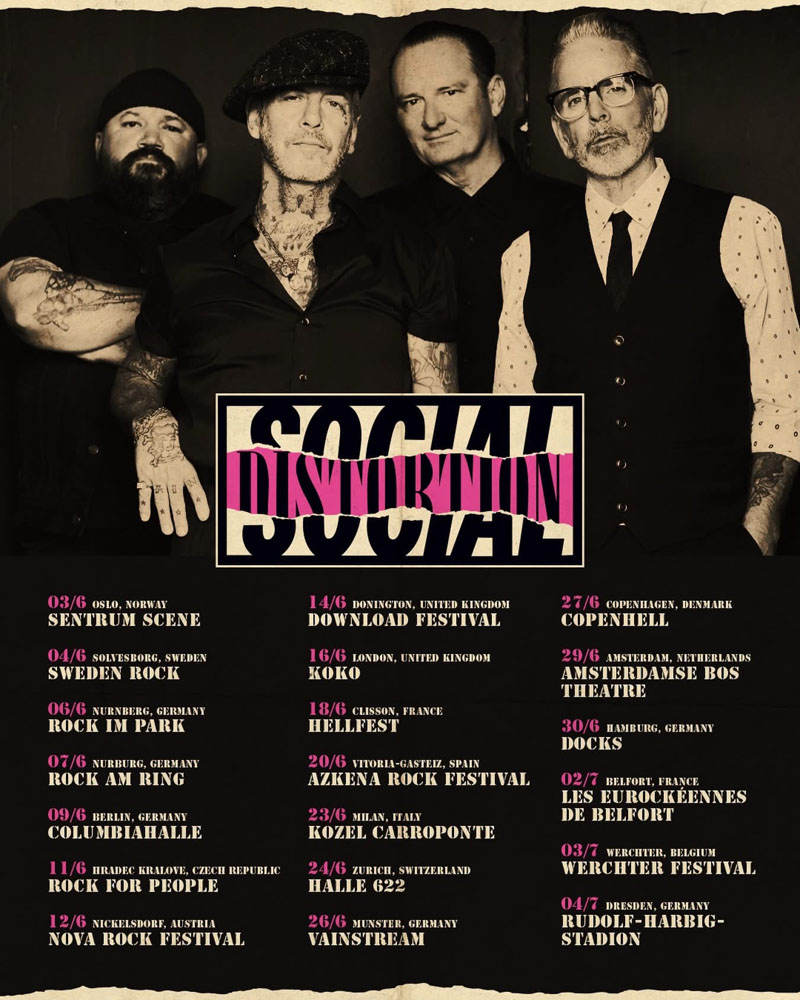
Muchas ganas de volver a vernos el 20 de junio en el Azkena Rock Festival , Mike.
Escucha el álbum completo aquí:
Social Distortion Returns with Their Long-Awaited Album Born To Kill
Fans of the band have every reason to celebrate. After nearly 15 years of waiting, we can finally listen a new record from the Californians. This Friday, May 8, their highly anticipated new album Born To Kill will be released. At DirtyRock, we had the chance to listen to it in advance this Wednesday, and we can already share our impressions of the long-awaited return of Mike Ness and company.
Truth be told, this album was supposed to come out years ago, but Mike Ness’s throat cancer diagnosis delayed the plans several times. It’s no secret that recording albums doesn’t come easily to him, but once he enters the studio, you can hear the passion and dedication in every detail. The sound is tremendously powerful while remaining perfectly clear. Production duties were shared between Mike Ness himself and Dave Sardy, resulting in an organic, rough, and very direct album.
The lineup remains the familiar one from recent years: Jonny “Two Bags” Wickersham on guitar, Dave Hidalgo Jr. on drums, and Brent Harding on bass. This time, the band also features two luxury guest appearances: Heartbreaker Benmont Tench on keyboards and Lucinda Williams, who joins Mike on vocals for the country-flavored “Crazy Dreamer.”
The album carries an air of looking back and taking stock. At times there’s nostalgia, but always with Ness’s trademark pride and swagger. The record opens with the first advance single and title track, “Born To Kill.” It’s 100% Social Distortion—a statement of intent and a return to the band’s rawest sound, proving they still have plenty left to say. “No Way Out” keeps the energy high and hits hard in classic Social Distortion fashion.
Throughout Social Distortion’s career, reflecting on the past has been a recurring theme. “The Way Things Were” is loaded with nostalgia and probably features the best lyrics Ness has ever written. Here we see a more reflective Mike Ness, shaped by time and recent personal circumstances. There’s no exaggerated drama, just a dry, believable melancholy carried by one of those signature melodies that stir something deep inside. The song had already been played live for years, with videos circulating online, hinting at greatness—but hearing it properly recorded confirms it as one of the highlights of their discography.
Next comes “Tonight,” which picks up the pace again. It had also appeared in recent live shows. With a structure leaning toward country music, it once again proves how naturally Mike translates that style into the band’s classic punk-rock sound.
“Partners in Crime” is a heavier, more pounding track reminiscent of the B-side material from White Light White Heat White Trash (1996). It’s one of those songs that may go unnoticed at first but grows with repeated listens. The final crescendo and two guitar solos elevate the song—especially the second solo, likely played by Jonny. The album’s guitar solos deserve special praise: they are full of feeling rather than empty technical showmanship, serving the songs instead of overwhelming them.
“Crazy Dreamer” is a country ballad that recalls Mike’s solo records and features Lucinda Williams, evoking classic country duets from the 1970s. However, Lucinda’s voice feels somewhat underused, always sitting in the background. The song might have benefited if they had alternated verses instead of singing together throughout. A missed opportunity.
Mike’s love for covers and tributes to his heroes is well known. This time he chose Chris Isaak’s “Wicked Game.” The band successfully makes the song their own, though one might question whether it was necessary to cover such an overexposed song after so many years without releasing new material, especially when a cover takes the place of an original composition.
“Walk Away” raises the energy level again with a syncopated riff reminiscent of AC/DC-style boogie rock, while “Never Goin’ Back Again” delivers one of those memorable choruses the band is known for. “Don’t Keep Me Hanging On” leans closest to the classic American rock explored on Hard Times & Nursery Rhymes (2011).
“Over You,” another song previously performed live in recent years, has been expanded beyond the earlier versions circulating online. It’s a perfect closing track that will likely grow even stronger in concert. Midway through, it features an ascending modulation that instantly elevates it to classic status.
After 15 years without new material, Born To Kill arrives carrying an implicit question: does a new Social Distortion album still make sense in 2026? The short answer is yes—but not for the reasons many might expect.
Far from trying to compete with the present or recapture the urgency of their wildest years, Mike Ness delivers a work centered on personal affirmation and artistic continuity. Born To Kill is not here to redefine Social Distortion’s career or chase disposable streaming numbers. It aims for something more modest and, at the same time, more difficult: an album of maturity, consistency, and survival. And at this stage of the game, that has far more value than it might seem.

1 Comentario