
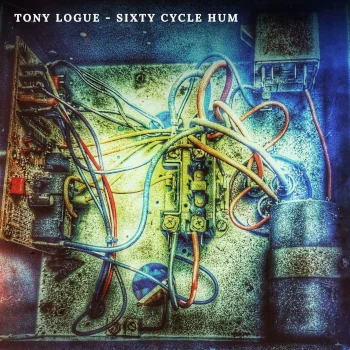
Desde que Jericho nos puso sobre la pista de Tony Logue, el músico de Kentucky no ha dejado de construir una discografía cada vez más reconocible. The Crumbs y Dark Horse confirmaron que aquello no había sido casualidad: Logue tiene una forma muy suya de cruzar country, Americana y rock de carretera, siempre con canciones que miran a la gente corriente. Ahora regresa con Sixty Cycle Hum, un álbum que mantiene esa identidad y ensancha aún más su sonido.
Logue escribe sobre personas que trabajan, cargan con sus problemas y tratan de salir adelante. En sus canciones, la incertidumbre ante el devenir futuro y la lucha por perseverar no son impostadas sino reflejo de la propia vida del autor y su entorno. En tiempos convulsos la música es siempre camino y refugio. Él mismo nos contó en nuestra entrevista que intenta escribir canciones “reales, honestas y cercanas”. Sixty Cycle Hum vuelve a moverse por ese territorio.
Entrevista a Tony Logue

La banda The 184 aporta músculo y cohesión y probablemente nunca haya sonado antes tan dura y enfadada, quizás como reflejo de estos tiempos. Las guitarras mantienen el pulso de country-rock que ya asociamos con Logue, pero en este álbum hay también más espacio para otros colores: la pedal steel de Russ Pahl, el fiddle de Tammy Rogers (Steeldrivers) y los teclados de Mike Rojas. Sean Sullivan vuelve a encargarse de la producción, ayudando a que todos esos elementos convivan sin limar la aspereza del grupo. El resultado tiene raíces country, pero no se queda quieto en ellas. No esperes encontrar aquí una de esas producciones pulcras y brillantes del Nashville FM, aquí por contra tendrás grasa en las uñas y callos en las manos, un canto a los márgenes y a los olvidados y su lucha diaria. Nuestro Blue Collar Hero.
“Diggin’ Out of This Hole” y “Gotta Get Back” avanzan con paso firme, como canciones de alguien que ha tenido que empezar de nuevo más de una vez. No transmiten una victoria fácil; hablan del esfuerzo de recuperar terreno y volver a ponerse en pie. El tono encaja con la manera de escribir de Logue, que suele encontrar más verdad en la resistencia diaria que en los finales perfectos.
“Rough and Mean” cuenta una historia que parece sencilla al principio, pero deja preguntas en el aire, mientras que “Jackson Purchase Line” recupera ese ritmo trotón tan característico de Logue. La pedal steel y el fiddle se entrelazan y hacen que la canción te atrape; es de esas que apetece volver a escuchar. Además, ese sonido le sienta especialmente bien a un tema que lleva el arraigo al oeste de Kentucky en el propio título.
Y “Earnhardt” aprovecha la historia del mítico héroe local y piloto de NASCAR para hablar en realidad de una relación (fallida) entre padre e hijo. Logue sabe contar estas historias sin explicarlo todo; deja que algunas piezas las complete quien escucha. A lo largo del álbum, la voz rasgada de Logue hace de hilo conductor. No busca sonar pulida ni distante; encaja con unas canciones que parecen escritas desde la experiencia y que conservan el polvo de la carretera y las botas sucias. La banda sabe cuándo empujar con fuerza y cuándo dejar que la historia ocupe el primer plano. Así, el disco mantiene un carácter compacto sin que todas las canciones suenen iguales.
El cierre llega con “Here Come Hard Times”, quizá el momento más luminoso del recorrido. Su melodía abre una ventana al final de un disco atravesado por el cansancio, las preocupaciones y la necesidad de seguir adelante. No borra lo anterior ni ofrece una solución sencilla; simplemente deja la sensación de que todavía queda camino por recorrer.
Con Sixty Cycle Hum, Tony Logue suma otro capítulo sólido a una trayectoria que sigue creciendo disco a disco. Una reivindicación del trabajador que va quedando en los márgenes de un sistema cada vez más dirigido hacia unos pocos privilegiados. Quienes ya disfrutamos de Jericho, The Crumbs o Dark Horse encontraremos aquí una nueva dosis de las historias del Kentucky, con su escritura directa así como las historias de personajes normalmente olvidados por los focos y su interés por las vidas que rara vez ocupan el centro del escenario. Logue continúa afinando su propio cancionero, y estas doce canciones confirman que merece la pena seguirle la pista.

Ever since Jericho put us on the trail of Tony Logue, the Kentucky musician has continued to build an increasingly distinctive discography. The Crumbs and Dark Horse confirmed that this wasn’t a fluke: Logue has a unique way of blending country, Americana, and road rock, always with songs that speak to everyday people. Now he returns with Sixty Cycle Hum, an album that maintains that identity while further expanding his sound.
With Sixty Cycle Hum, Logue names the album after that 60-hertz electrical hum—deep, constant, and analog—that vibrates in the background of amplifiers before the music begins. It’s a true statement of intent for a raw, electric, and unfiltered album that shuns any polished finish. That hum that never quite goes away also serves as a metaphor for the characters who inhabit his songs: people who are still there, present in the discreet background.
Logue writes about people who work, carry their burdens, and try to get by. In his songs, the uncertainty about the future and the struggle to persevere aren’t contrived but rather a reflection of the author’s own life and his surroundings. In turbulent times, music is always a path and a refuge. He himself told us in our interview that he tries to write songs that are “real, honest, and relatable.” *Sixty Cycle Hum* once again explores that territory.
The 184 brings power and cohesion, and they’ve probably never sounded so hard-hitting and angry before—perhaps a reflection of the times. The guitars maintain the country-rock pulse we’ve come to associate with Logue, but this album also makes room for other sounds: Russ Pahl’s pedal steel, Tammy Rogers’ (Steeldrivers) fiddle, and Mike Rojas’ keyboards. Sean Sullivan returns as producer, helping all these elements coexist without smoothing out the band’s rough edges. The result has country roots, but it doesn’t stay confined to them. Don’t expect to find one of those polished, glossy Nashville FM productions here; instead, you’ll get grease under your fingernails and calluses on your hands—a tribute to those on the margins, the forgotten, and their daily struggle. Our Blue Collar Hero.
“Diggin’ Out of This Hole” and “Gotta Get Back” move forward with a steady stride, like songs from someone who’s had to start over more than once. They don’t convey an easy victory; they speak to the struggle of regaining ground and getting back on your feet. The tone fits Logue’s songwriting style, which often finds more truth in daily resilience than in perfect endings.
“Rough and Mean” tells a story that seems simple at first but leaves questions hanging, while “Jackson Purchase Line” brings back that trotting rhythm so characteristic of Logue. The pedal steel and fiddle intertwine and make the song captivating; it’s one of those you’ll want to listen to again and again. What’s more, that sound suits a track that carries its roots in western Kentucky right in its title.
“Earnhardt” uses the story of the legendary local hero and NASCAR driver to actually explore a (failed) father-son relationship. Logue knows how to tell these stories without spelling everything out; he lets the listener fill in some of the blanks. Throughout the album, Logue’s raspy voice serves as the common thread. He doesn’t aim for a polished or distant sound; it fits perfectly with songs that seem to be written from personal experience and retain the dust of the road and the grime of dirty boots. The band knows when to push hard and when to let the story take center stage. As a result, the album maintains a cohesive feel without every song sounding the same.
The album closes with “Here Come Hard Times,” perhaps the brightest moment of the journey. Its melody opens a window at the end of an album permeated by exhaustion, worries, and the need to keep moving forward. It doesn’t erase what came before or offer a simple solution; it simply leaves the feeling that there’s still a long way to go.
With Sixty Cycle Hum, Tony Logue adds another solid chapter to a career that continues to grow with each album. It’s a tribute to the working person who is being pushed to the margins of a system increasingly geared toward a privileged few. Those of us who have already enjoyed Jericho, The Crumbs, or Dark Horse will find here a fresh dose of stories from Kentucky—with his direct songwriting, tales of characters usually overlooked by the spotlight, and his interest in lives that rarely take center stage. Logue continues to refine his own songbook, and these twelve songs confirm that he’s well worth keeping an eye on.