Normalmente escribo sobre rock, pero lo cierto es que crecí escuchando también un montón de otra música: cuartetos de barbershop, jazz de big band y blues rural. (Supongo que eso es lo que pasa cuando cuatro generaciones comparten techo.) Y eso fue antes de que empezara a perderme en cientos de años de música clásica cuando empecé a tocar el violonchelo profesionalmente.
Pero probablemente uno de los mayores impactos musicales que he vivido fue cuando me mudé a Memphis, Tennessee, donde el hip-hop y el rap sureños (Scarface, Master P, UGK, 8Ball & MJG, Three 6 Mafia y, más adelante, Outkast) cambiaron por completo mi manera de entender (y de escuchar) estos sonidos.
Al fin y al cabo, soy de Michigan. Eminem todavía no estaba en el radar de nadie, así que para mí el hip-hop y el rap eran East Coast o West Coast: el Wu, Nas, Biggie, Dre, Ice Cube, Tupac…
Un par de años más tarde, me mudé a Washington D.C., y mi educación musical se volvió todavía más loca y dispar gracias a la emisora WPGC sonando sin parar en la radio.
Sé que a nadie le importa mi vida, pero todo esto tiene un porqué, lo prometo…
I usually write about heavier music, but apart from hard rock, I actually grew up listening to a lot of barbershop quartets, big band jazz, and OG blues. (I guess that’s what happens when four generations share the same house.) And that’s before I started diving into hundreds of years of classical music when I began playing the cello professionally.
But probably one of the biggest musical impacts I experienced was when I moved to Memphis, Tennessee, where Southern hip-hop and rap (Scarface, Master P, UGK, 8Ball & MJG, Three 6 Mafia, and later on, Outkast) completely changed the way I viewed (and heard) these sounds.
After all, I’m from Michigan. Eminem wasn’t on anybody’s radar yet, so to me, hip-hop and rap were East Coast or West Coast: the Wu, Nas, Biggie, Dre, Ice Cube, Tupac…
Then, a couple of years later, I moved to Washington, DC, and my musical education got even more disparate thanks to WPGC playing non-stop on the radio.
I realize nobody cares about my life story, but I’m getting to my point, I promise…
Toda aquella demencial mezcla de influencias musicales me llevó a descubrir algo que para mí fue realmente importante: la importancia de la geografía y la forma tan brutal en que puede cambiar los matices de una música.
A medida que me fui metiendo cada vez más en la música “urbana”, una de las mayores diferencias instrumentales que empecé a notar entre el hip-hop sureño y el que venía de las costas estaba en el loop. No necesita desarrollarse para provocar una reacción emocional en quien escucha. Puede intensificarse mediante la repetición, las capas y pequeños cambios de textura y ritmo.
Todo esto me volvió de golpe a la cabeza cuando escuché por primera vez OutSide (2024), de DJ Toner Qu4rtet.
That crazy hodgepodge of musical exposure led me to a genuinely important musical discovery: the importance of geography, and how profoundly (and gloriously) it can change musical nuances.
As I got more and more into “urban” music, one of the biggest instrumental differences I noticed between Southern hip-hop and the music coming from the coasts was in the loop. It doesn’t need to develop in order to have an emotional effect on the listener. It can intensify through repetition, layering, and subtle changes in texture and rhythm.
All of this came rushing back to me when I first listened to OutSide (2024), by DJ Toner Qu4rtet.
Porque este es un disco que parece pensado hasta el último detalle y, sin embargo, nunca resulta cerebral. El efecto emocional es inmediato.
Y, aun así, OutSide no es simplemente “hip-hop-jazz del bueno”. Hay riqueza tímbrica, movimiento armónico, síncopa, pasajes modales y, sobre todo, una forma muy particular de tratar el backbeat que le da un swing y un swag completamente contagiosos.
Es difícil encontrar un disco tan sofisticado musicalmente y, al mismo tiempo, tan relajado rítmicamente (salvo quizá lo que hacía A Tribe Called Quest o discos como Jazzmatazz o Hand on the Torch). En el caso de OutSide, todavía más, porque hay muy poco lenguaje rítmico (spoken word) que se coma todo ese lenguaje armónico jazzístico.
Because this is a record that seems exquisitely thought-out and yet never comes across as cerebral. The emotional effect is immediate.
And yet,OutSide isn’t just “nice jazzy hip-hop.” There are extended chord colors and harmonic movement, syncopation, modal passages, and, especially, a unique treatment of the backbeat that gives it an infectious swing and swag.
It’s hard to find an album that’s musically sophisticated and yet still so rhythmically relaxed (except for maybe what A Tribe Called Quest put out or albums like Jazzmatazz or Hand on the Torch). In the case of OutSide, even more so, since there’s very little rhythmic language (spoken word) swallowing up all that jazzy harmonic language.
De hecho, probablemente el pocket sea lo que más me llama la atención. Hay una sensibilidad rítmica que viene del hip-hop y un arsenal enorme de instrumentos a lo largo del disco, pero (casi) todos descansan sobre un pocket muy hip-hop.
Vale… alguna/o estará pensando ahora mismo: “¿Y a mí qué? Esto es Dirty Rock Magazine, no Vibe ni The Source”.
Ya… Si eres un purista del rock, probablemente huyas de la música urbana (o directamente la odies). Pero vengo a recordarte que estás cometiendo un error bastante gordo.
In fact, the pocket is probably what I’m most sensitive to. There’s a rhythmic sensibility that comes from hip-hop and a huge array of instruments on the album, but mainly sitting in a hip-hop pocket.
Alright… some of you might be saying now, “Who cares? This is Dirty Rock Magazine, not Vibe or The Source.”
Fair enough. If you’re a rock purist, you probably shy away from (or blatantly hate) urban music. But I’m here to remind you that you’re making a big mistake.
Si te gusta el rock porque es rebelde, visceral, físicamente rítmico… entonces el hip-hop no es el enemigo.
El rock no nació de ninguna tradición europea bonita de guitarra. Su lenguaje se fue construyendo a través de la música de los músicos negros estadounidenses: blues, gospel, R&B, boogie-woogie, jazz y todo lo que circulaba entre esos géneros. El ragtime y el blues evolucionaron en paralelo dentro de esas mismas comunidades y escenas musicales; el blues acabaría teniendo una conexión mucho más directa con el rock, mientras que el ragtime se fue filtrando cada vez más hacia el jazz. Y cuando apareció la guitarra eléctrica, lo que hizo fue amplificar y distorsionar un vocabulario que llevaba décadas desarrollándose.
Solo tienes que preguntarles a los Rolling Stones y a Led Zeppelin. O, mejor, a los artistas negros de los que aprendieron y/o robaron. (ejem)
El hip-hop viene de ese mismo terreno y enseña a los músicos de rock una lección importantísimo: el instrumento no es la música. La actitud, el ritmo, el fraseo, la textura, el contexto… eso es la música.
Y no te olvides del groove…
Los músicos de rock tienden a pensar en acordes, riffs, melodías, solos. El hip-hop piensa en lo que hace el beat en el cuerpo. Y el rock todavía tiene mucho que aprender del pocket.
Los músicos de OutSide ya lo saben. Y más.
If you love rock because it’s rebellious, visceral, rhythmically physical… then hip-hop isn’t the enemy. It’s actually one of rock’s closest relatives.
Rock didn’t emerge from some pristine European guitar tradition. Its musical language was built by Black American musicians out of blues, gospel, R&B, boogie-woogie and jazz. Ragtime and the blues morphed alongside each other in overlapping Black musical worlds – the blues line fed most directly into rock, while ragtime flowed more into jazz. When the electric guitar arrived, it merely amplified and distorted a vocabulary that had already been spoken for decades. Just ask the Rolling Stones and Led Zeppelin. Or, more accurately, the Black artists they learned from and stole from. (ejem)
Hip-hop comes from that same soil, and it teaches rock musicians a valuable lesson: the instrument isn’t the music. The attitude, the rhythm, the phrasing, the texture, the context… that’s the music!
And don’t forget the groove…
Rock musicians tend to think in chords, riffs, melodies, solos. Hip-hop thinks about what the beat does to the body. The pocket is something rock can learn from.
You can tell the musicians inOutSide already know all that. And they go much further.
“Flama”, por ejemplo, saca a la superficie las raíces andaluzas. Hay algo inmediatamente familiar, pero no termina de sonar como esperarías de un disco de jazz. Se acerca más a lo que esperarías de un disco de hip-hop o R&B old school, con ese sabor inequívocamente andaluz corriendo por debajo. ¿Paco Lucía meets Delinquent Habits?
“Flama,” for example, brings the group’s southern Spain (Al-Andalus) roots right to the surface. There’s something immediately familiar about it, but it’s not quite what you’d expect from a jazz record. It sounds more like an old-school hip-hop or R&B track, with that distinctly Andalusian flavor running underneath it. Think Paco Lucía meets Delinquent Habits.
“Camina” no necesita demasiadas explicaciones. Se mueve exactamente como su título indica, impulsada por una especie de groove rollo Blaxploitation que, de alguna manera, consigue sonar a la vez retro y completamente actual.
“Camina” (walk) doesn’t need much explanation. It moves exactly like its title suggests, propelled by a kind of Blaxploitation groove that somehow manages to feel both retro and completely modern.
Y luego está “Sweetband”, que me encanta. Arranca con un rollo Wu-Tang clarísimo, pero la comparación llega hasta ahí. ¿Cash Rules Everything Around DJ Toner y sus compañeros? Va a ser que no.
Hace poco tuve la suerte de verle en Granada, en algo llamado Taracea Sónica en el Museo Casa de los Tiros, junto a Rasha Albedin y su colaborador habitual Daniel Molina (que también participa en este disco). Y ahí es donde esa diferencia se me hizo todavía más evidente. Antonio Herrera (aka DJ Toner) no parece especialmente interesado en reciclar el vocabulario urbano habitual de brutalidad policial, racismo, pobreza y lucha armada. Su discurso social parece abordar las cosas desde otro ángulo, centrándose en amenazas bastante menos militantes, pero no por ello menos reales.
And then there’s “Sweetband,” which I absolutely love. It opens with a serious Wu-Tang feel, but the comparison only goes so far. Cash Rules Everything Around DJ Toner and his fellow musicians? Not likely. I was lucky enough to catch DJ Toner recently in Granada, performing Taracea Sónica at the Casa de los Tiros Museum with Rasha Albedin and frequent collaborator Daniel Molina (who also collaborates on this album). And that’s where some of the difference became even clearer to me. Antonio Herrera (aka DJ Toner) isn’t particularly interested in recycling the usual urban vocabulary of police brutality, racism, poverty and armed struggle. His social discourse seems to come at things from a different angle, focusing on threats that are considerably less militant, but no less real.
DISCIPLINANTES: ‘MCM’, el proyecto que desmonta a Debussy y Falla a base de loops, trompeta y sampleología: https://www.dirtyrock.info/2026/05/disciplinantes-mcm-el-proyecto-que-desmonta-a-debussy-y-falla-a-base-de-loops-trompeta-y-sampleologia
“The Day” nos lleva a otro lugar completamente diferente. Es más jazzístico y gloriosamente cargado de graves, aunque la trompeta de Erik Truffaz brilla con luz propia. El músico franco-suizo encaja de manera muy natural en este disco. Lleva buena parte de su carrera desdibujando las fronteras entre hip-hop, jazz y rock and roll. El hecho de que forme parte del roster de Blue Note probablemente te diga casi todo lo que necesitas saber, aunque no sigas demasiado el jazz.
“The Day” takes things somewhere else entirely. It’s jazzier and gloriously bass-laden, with Erik Truffaz’s trumpet absolutely shining over the top. The French-Swiss musician is a natural fit for this record. He’s spent much of his career blurring the lines between hip-hop, jazz and rock and roll. The fact that he’s on the Blue Note roster probably tells you most of what you need to know, even if you don’t follow jazz too closely.
Y Truffaz está lejos de ser el único peso pesado del disco. La lista de músicos que aparecen en OutSide tiene bastante pedigrí, algo que se hace evidente cuando escuchas la flauta de Jorge Pardo serpenteando por el groove de “Fanega”. Pardo ha tocado junto a grandes como Paco de Lucía y Chick Corea, y todas esas influencias se cruzan una y otra vez a lo largo del disco.
And Truffaz is hardly the only heavyweight here. There’s a pretty star-studded list of musicians on OutSide, which becomes obvious when you hear Jorge Pardo’s flute weaving through the groovy “Fanega.” Pardo has played alongside greats like Paco de Lucía and Chick Corea, and you can hear the musical cross-pollination all over this record.
“Esperanza” nos devuelve a un jazz más clásico antes de que el álbum termine volviendo al terreno del hip-hop con otras dos de mis favoritas, “Under Beat” y “Surprise”.
“Esperanza” brings things back toward a more classic jazz feel before the album eventually circles back into hip-hop territory with another two of my favorites, “Under Beat” and “Surprise.”
Ojo, que tampoco intento decir que OutSide sea un disco empeñado en demostrar todo lo que sabe hacer. DJ Toner simplemente parece entender que todos estos mundos musicales llevan hablando entre sí desde hace muchísimo tiempo.
De principio a fin, es un disco de primera, tocado por músicos de primera, que junta jazz, hip-hop, R&B, música andaluza y todo tipo de mundos urbanos sin que en ningún momento se vean las costuras.
Y, en mi caso, me teletransporta a otras épocas más sencillas, más tranquilas, más chill.
Don’t get me wrong. OutSide isn’t a record that tries to prove how many different things it can do. DJ Toner just seems to understand that all these musical worlds have been talking to each other forever.
From start to finish, this is a first-rate album played by first-rate musicians, bringing together jazz, hip-hop, R&B, Andalusian music, and all kinds of other urban worlds without ever making the seams obvious.
And, in my case, it teletransports me back to other, simpler, chiller times.
Lo que me lleva de vuelta al principio.
La música es geografía. Es memoria. Es ritmo. Es actitud. Es todo lo que escuchaste mientras crecías, todos los sitios en los que has vivido, todos esos discos que se te metieron debajo de la piel.
Y si ese no es el propósito de la música… hacerte sentir, hacer que tu mente vuele…, entonces no sé cuál es.
La geografía como compositora invisible: de Seattle a Barcelona: https://www.dirtyrock.info/2026/07/la-geografia-como-compositora-invisible-de-seattle-a-barcelona
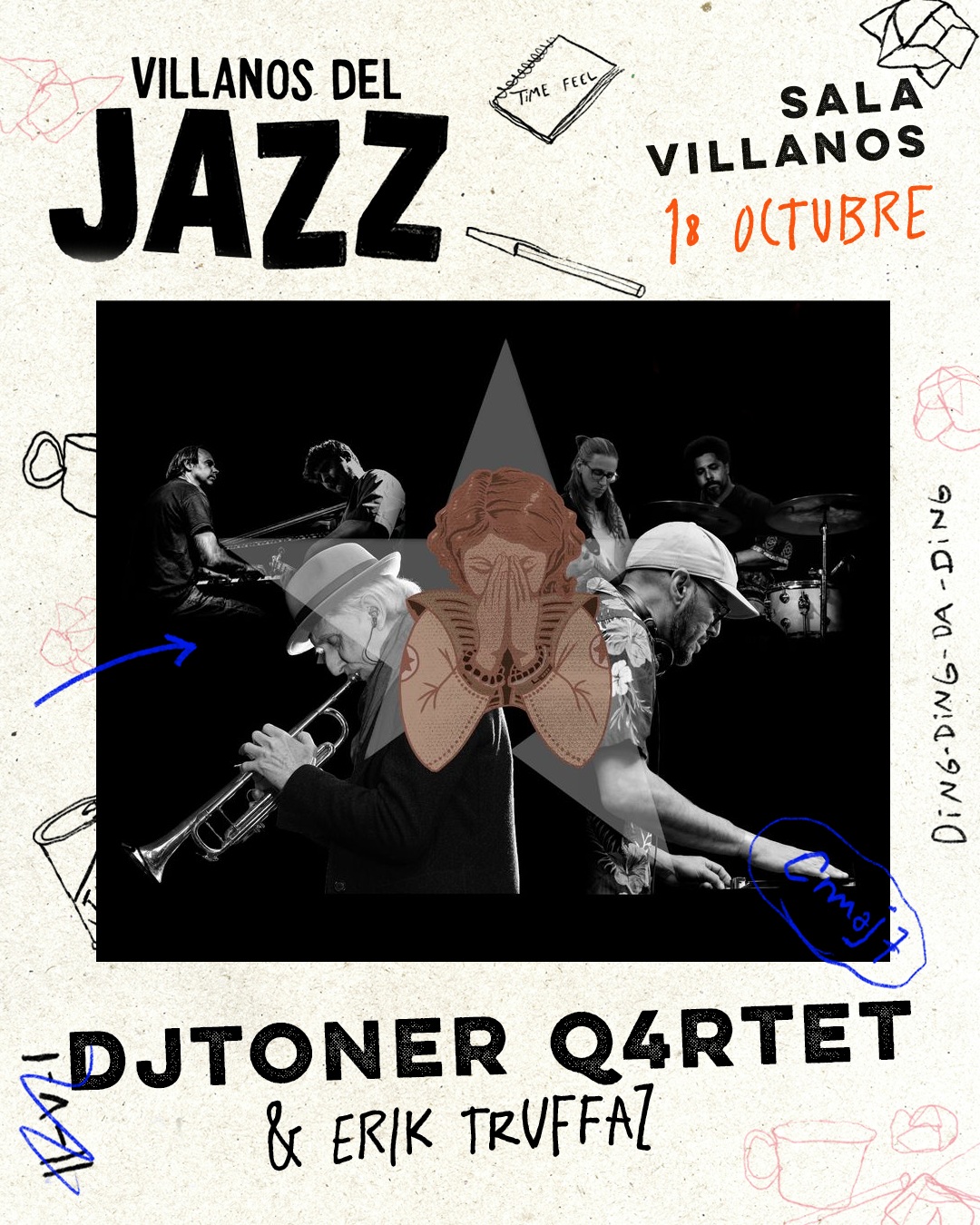
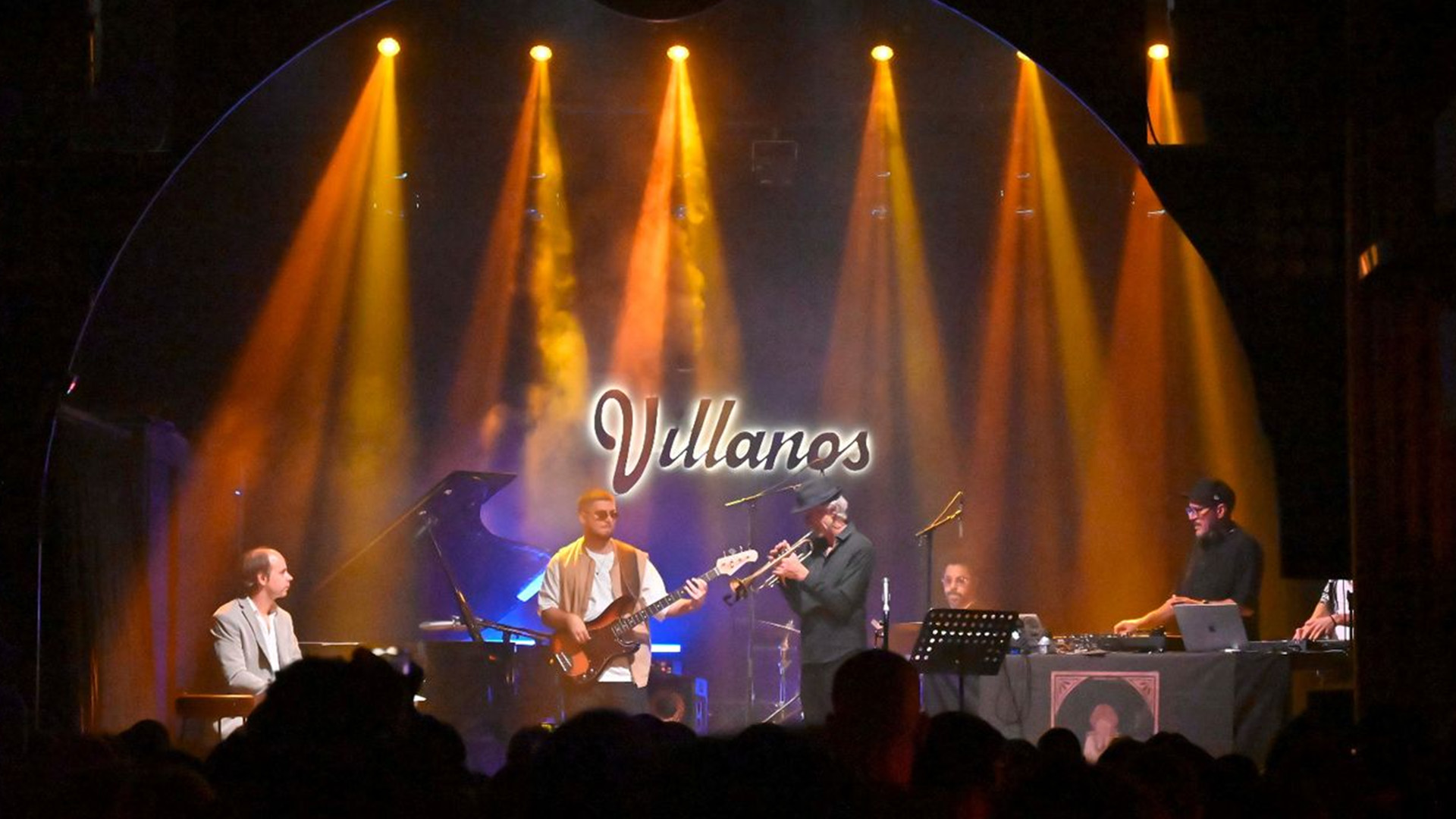
Si quieres sentir todo esto en primera persona, puedes ver al DJ Toner Qu4rtet en la sala Villanos de Madrid el 18 de octubre.
Which brings me back to where I started.
Music is geography. It’s memory. It’s rhythm. It’s attitude. It’s all the things you heard growing up, all the places you’ve lived, all the records that got under your skin.
And if that’s not the point of music – to make you feel, to make your mind soar… I don’t know what is.
If you want to feel all that firsthand, catch DJ Toner Qu4rtet at Madrid’s Villanos club on October 18th.
Entradas: https://salavillanos.es/evento/djtoner-q4rtet-erik-truffaz/